
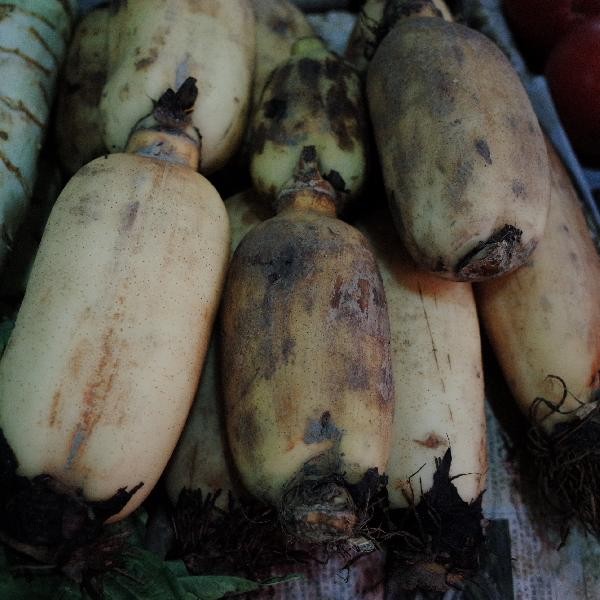
The key to preventing lotus roots from turning black when soaked in water is to isolate oxygen and inhibit oxidase activity. Methods such as soaking in clean water, adding acidic substances, or pre-treatment with boiling water can be used.
1. Soak in water
Immediately immerse the peeled and cut lotus roots completely in water, and slow down oxidation by isolating them from air. Using cool boiled water or purified water is more effective in avoiding accelerated discoloration of chlorine in tap water. Change the water every 2 hours and keep it dark for up to 8 hours, suitable for short-term vegetable preparation. Please note that the container should be sealed away from light, and ice cubes can be added to the water to lower the temperature and delay enzyme activity.
2. Adding acidic substances
Adding white vinegar or lemon juice to soaking water to lower the pH value below 4 can effectively inhibit polyphenol oxidase activity. Add 5 milliliters of white vinegar or half a lemon juice to every 500 milliliters of water, soak for 20 minutes to form an antioxidant protective layer. This method will cause a slight sour taste in lotus roots, making it suitable for pre-treatment before cold mixing or quick stir frying. Long soaking may cause the texture to become soft.
3. Boiling water pretreatment
Place sliced lotus roots in boiling water and blanch for 30 seconds. After high temperature inactivates oxidase, quickly rinse with cold water. This method can completely block enzymatic browning and maintain a white state for more than 2 days, but it may lose some of its crisp taste. Adding a small amount of salt during blanching can reduce the loss of water-soluble nutrients. After treatment, the water should be drained and stored in the refrigerator.
4. Salinization treatment
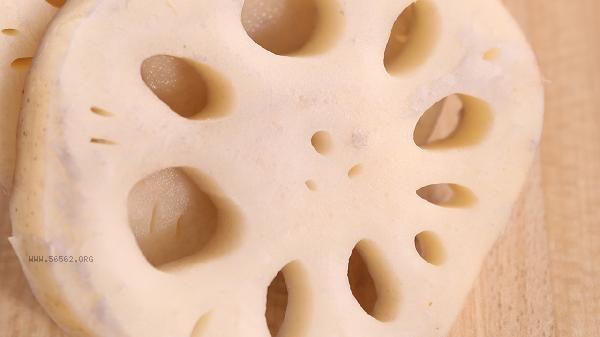
Soak lotus roots in 1% diluted saline water for 10 minutes, and sodium ions can displace polyphenolic substances and form a protective film. After salting, rinse with clean water to avoid excessive saltiness, suitable for stewing methods that require maintaining the original flavor. Compared with acidic solutions, salting causes less damage to the texture, but the anti blackening effect lasts for about 4 hours.
5. Vacuum isolation
Put the lotus roots into a fresh-keeping bag, fill it with clean water, exhaust the air, and seal it for refrigeration. The vacuum environment can completely isolate oxygen, and when combined with low temperature, it can be preserved for 3 days without discoloration. This method has a high cost but retains the nutrients intact, making it suitable for commercial batch processing. Families can use straws to simulate vacuum effects by suctioning the air inside the bag. Fresh lotus roots contain polyphenol oxidase and phenolic substances, which are prone to enzymatic browning upon exposure to oxygen. In addition to the above methods, it is recommended to cut and use immediately to reduce exposure time, and use ceramic knives to avoid metal catalytic reactions. If the processed lotus root needs to be stored for a long time, it can be frozen and kept fresh, but the texture will change after thawing. Choose the appropriate method according to cooking needs. For cold dishes, acid soaking is preferred. For stewing, salt or blanching can be used. For stir frying, it is recommended to treat with water and oxygen. Keeping the operating equipment clean and avoiding contact with iron can also assist in preventing blackening.








Comments (0)
Leave a Comment
No comments yet
Be the first to share your thoughts!