
Weight loss can be achieved through adjusting dietary structure, increasing exercise, improving lifestyle habits, psychological regulation, medical intervention, and other methods. The core of weight loss is to create a calorie deficit, which requires long-term adherence to a healthy lifestyle.

1. Adjust dietary structure
Reduce the intake of refined carbohydrates and saturated fats, and increase the proportion of high-quality protein and dietary fiber. Choose whole grains instead of polished rice and white flour, and replace fatty meat with low-fat and high protein foods such as chicken breast and fish. The daily intake of vegetables should reach 300-500 grams, with priority given to dark vegetables such as broccoli and spinach. Avoid sugary drinks and fried foods, and control the intake of high calorie healthy foods such as nuts.
2. Increase physical activity
Engage in 150-300 minutes of moderate intensity aerobic exercise per week, such as brisk walking, swimming, cycling, etc. Combining resistance training 2-3 times a week, with a focus on exercising large muscle groups. Utilize fragmented time to increase daily activity, choose climbing stairs instead of elevators, and walking instead of short distance rides. The intensity of exercise should be gradually increased to avoid injuries caused by sudden intense exercise.
3. Improve lifestyle habits
Ensure 7-9 hours of high-quality sleep per day. Lack of sleep can affect the secretion of leptin and ghrelin. Establish a regular eating schedule and avoid eating at night. Chew slowly and take no less than 20 minutes per meal. Record diet and exercise habits, and regularly monitor weight changes. Reduce sedentary time by getting up and moving for 5 minutes every hour.

4. Psychological regulation
Set practical and feasible phased weight loss goals, usually losing 0.5-1 kilogram per week is reasonable. Avoid overeating caused by extreme dieting and accept normal weight fluctuations. Seeking support from family and friends, joining a weight loss group to encourage each other. Enhance awareness of hunger and satiety through mindful eating exercises.
5. Medical Intervention
For patients with a BMI exceeding 32.5 or accompanied by obesity related diseases, medication such as Orlistat capsules may be considered under the guidance of a doctor. Severely obese patients can choose weight loss surgery such as sleeve gastrectomy after evaluation. Obesity caused by endocrine disorders requires treatment of the underlying disease, such as supplementing with levothyroxine sodium tablets for patients with hypothyroidism.
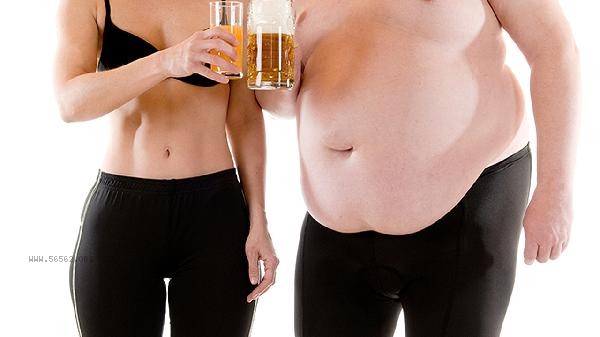
Losing weight requires establishing a sustainable and healthy lifestyle to avoid rebounding after rapid weight loss. In addition to controlling diet and increasing exercise, attention should also be paid to stress management and sleep quality. If discomfort symptoms such as dizziness and fatigue occur during the weight loss process, seek medical attention promptly. It is recommended to conduct regular body composition analysis, focusing on changes in body fat percentage rather than just weight numbers. Maintaining moderate exercise habits and a balanced diet over the long term are key to maintaining weight loss effects.








Comments (0)
Leave a Comment
No comments yet
Be the first to share your thoughts!