
Big buttocks can be improved through adjusting diet, increasing exercise, changing lifestyle habits, local shaping training, medical intervention, and other methods. The buttocks are likely related to genetic factors, fat accumulation, muscular development, abnormal hormone levels, pelvic structural abnormalities, and other reasons.

1. Adjusting diet
Reducing the intake of high calorie foods can help control weight and avoid fat accumulation in the buttocks. It is recommended to eat more vegetables and fruits rich in dietary fiber, such as broccoli and apples, and consume high-quality protein in moderation, such as chicken breast and fish. Avoid fried foods, sweets, and sugary drinks, as these foods can easily lead to fat accumulation in the buttocks.
2. Increase Exercise
Aerobic exercise such as jogging, swimming, cycling, etc. can help reduce body fat. It is recommended to do it 3-5 times a week for 30-60 minutes each time. Strength training for the buttocks, such as squats, hip bridges, and lunges, can tighten the muscles and improve the contour of the buttocks. Warm up and stretch before and after exercise to avoid sports injuries.
3. Change lifestyle habits
Avoid sitting for long periods of time and get up and move for 5-10 minutes every hour. Maintain correct sitting posture and do not cross your legs. Ensure adequate sleep, as lack of sleep may lead to hormonal imbalances and affect fat metabolism. Reducing stress, long-term stress can lead to an increase in cortisol and promote fat accumulation in the buttocks.

4. Localized shaping training
Specialized training for the buttocks, such as side leg lifts, back kicks, and clamshell opening and closing, can help shape the contours of the buttocks. Warrior style, bridge style and other postures in yoga can also effectively exercise the gluteal muscles. Pilates training can enhance core strength, improve posture, and make the buttocks look tighter.
5. Medical intervention
For stubborn hip fat accumulation, non-surgical methods such as cryolipolysis and radiofrequency lipolysis can be considered. Patients with severe hip fat accumulation may consider liposuction surgery under the guidance of a doctor. Abnormal hormone levels leading to enlarged buttocks require endocrine therapy. Any medical intervention must be carried out under the guidance of a professional doctor.
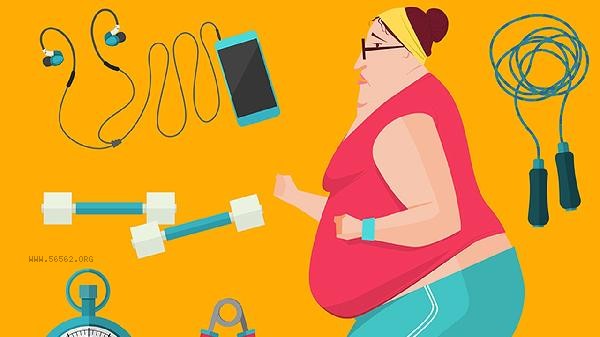
Weight loss needs to be gradual and not rushed. It is recommended to develop a reasonable weight loss plan and lose 0.5-1 kilogram per week. Maintain a balanced diet and avoid excessive dieting that can lead to malnutrition. Exercise should be done according to one's ability, gradually increasing the intensity. During weight loss, it is important to pay attention to replenishing water, with a recommended daily water intake of 1500-2000 milliliters. Maintain a positive mindset. Losing weight is a long-term process that requires persistence. If multiple methods still cannot improve hip obesity, it is recommended to seek medical examination in a timely manner to rule out pathological factors.








Comments (0)
Leave a Comment
No comments yet
Be the first to share your thoughts!