
Faster weight loss requires multidimensional interventions such as scientific dietary control, regular exercise, and behavioral adjustment. The main methods include adjusting dietary structure, increasing aerobic exercise, ensuring adequate sleep, managing stress levels, and medical intervention if necessary.
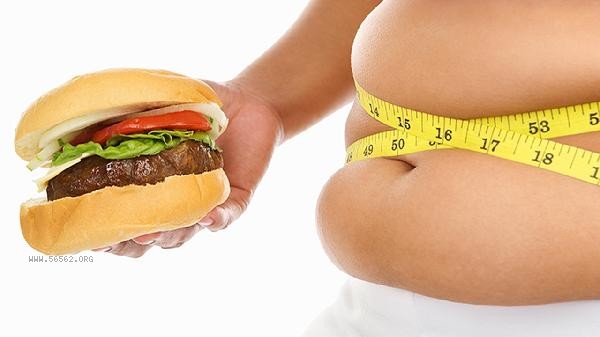
1. Adjust dietary structure
Reduce intake of refined carbohydrates and added sugars, and replace white rice and flour with whole grains. Increase the proportion of high-quality protein intake such as chicken breast, fish and shrimp, and recommend a daily vegetable intake of over 500 grams. Use small plates to control the amount of food consumed at a time and avoid high oil and high salt cooking methods. Recording daily diet can help identify dietary habits that need improvement.
2. Increase aerobic exercise
Engage in 150-300 minutes of moderate intensity aerobic exercise per week, such as brisk walking, swimming, cycling, etc. Maintain heart rate within the range of 60% -70% of maximum heart rate during exercise. Intermittent training mode can be adopted, such as a cycle of 1 minute high-intensity exercise combined with 2 minutes of recovery. Combining daily activities to increase consumption, such as using stairs instead of elevators.
3. Ensure adequate sleep
Maintain 7-9 hours of high-quality sleep per day. Lack of sleep can lead to a decrease in leptin levels and an increase in ghrelin levels. Establish a fixed sleep schedule and avoid using electronic devices one hour before bedtime. Keep the bedroom temperature between 18-22 degrees Celsius and use blackout curtains to create a dark environment. Patients with sleep apnea need timely treatment.

4. Managing stress levels
Long term stress can stimulate cortisol secretion and promote fat accumulation. Stress can be reduced through mindfulness meditation, deep breathing exercises, yoga, and other methods. Perform 10-15 minutes of relaxation training every day to cultivate interests and hobbies such as painting and music. Seek professional psychological counseling when necessary and avoid emotional eating.
5. Medical Intervention
For individuals with a body mass index exceeding 32.5 or accompanied by obesity related diseases, medication such as Orlistat capsules may be considered under the guidance of a doctor. Severe obese patients can choose metabolic surgery such as laparoscopic sleeve gastrectomy after evaluation. All medical interventions need to be accompanied by lifestyle changes and regular monitoring of nutritional status. During the weight loss process, extreme dieting should be avoided, and weight loss should not exceed 1 kilogram per week. Pay attention to supplementing with complex vitamins and minerals to prevent malnutrition. Establishing sustainable healthy lifestyle habits is more important than rapid weight loss, and it is recommended to measure body circumference changes monthly instead of daily weighing. If discomfort symptoms such as dizziness and fatigue occur, seek medical evaluation in a timely manner. Maintaining an ideal weight in the long term requires integrating healthy eating and exercise into daily life.









Comments (0)
Leave a Comment
No comments yet
Be the first to share your thoughts!