
The key to avoiding getting caught while holding crabs is to control the movement of the crab claws and use the correct technique. There are five main methods: grasping the back edge of the crab shell, pressing the crab's abdominal joint, using tools to assist, quickly flipping the crab, and wearing anti pinch gloves.
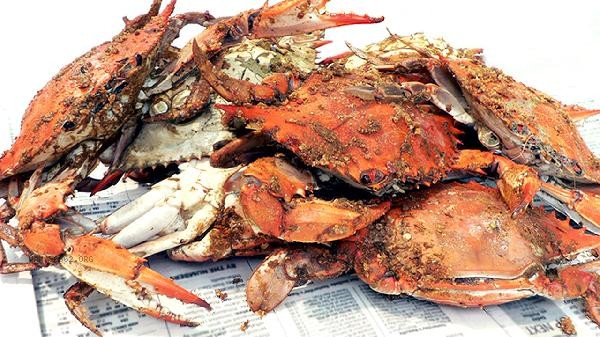
1. Grasp the back edge of the crab shell
Pinch the concave areas on both sides of the back edge of the crab shell with your thumb and index finger from directly behind the crab, where the crab claws cannot retract and clamp people. Pay attention to keeping your fingers close to the shell and avoid touching the crab leg joints. Live crabs react quickly. It is recommended to operate while the crab is still, and immediately place the crab with its belly facing upwards after grasping.
2. Pressing the Crab Abdominal Joint
Quickly press the soft shell joint connecting the crab abdomen and navel with the index finger, which can temporarily paralyze its movement ability. This method is suitable for species with soft abdominal shells such as swimming crabs, and requires fixing the crab shell with the other hand during operation. Pay attention to moderate pressure, excessive force may cause damage to the crab shell.
3. Use tools to assist [SEP]. The long handle clamp or kitchen clamp can maintain a safe distance and is suitable for handling aggressive green crabs. The gripping position should be selected in the middle of the crab shell, avoiding the range of motion of the claws. Before steaming, rubber bands can be used to tie crab claws, but attention should be paid to the heat resistance of the rubber bands to avoid high temperature melting and contaminating food.
4. Quickly Flip Crab
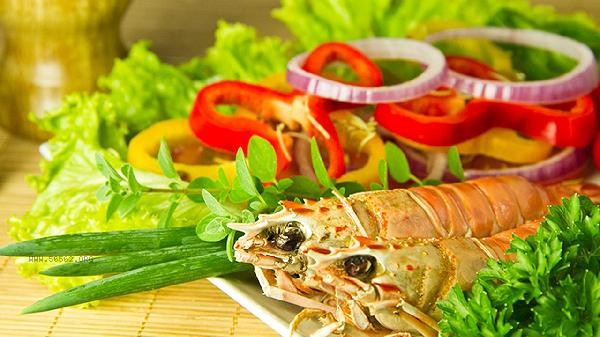
When the crab claws are open, quickly flip the crab to face its belly upwards. If its balance system is disturbed, it will temporarily retract its claws for self-defense. This method requires cooperation with tray operation, and immediately press the crab shell with a heavy object after flipping. Pay attention to observing the crab's eye activity and wait until it stops struggling before dealing with it.
Fifth, wear anti pinch gloves
Thick rubber gloves or metal mesh gloves can effectively protect, especially suitable for handling large crabs such as king crabs. Gloves should cover the forearm and reinforce the seams. During operation, it is still necessary to avoid gloves being caught by crab claws. After handling multiple crabs, the integrity of the gloves should be checked. Live crabs should be refrigerated for 30 minutes to reduce their activity before processing, while dead crabs should be observed for eye reactions and odor to ensure freshness. Before steaming, use a brush to clean the folds of the crab belly that are prone to sediment accumulation, and leave a breathable space when binding the crab claws. When consumed with ginger vinegar, it can neutralize coldness. It is recommended to remove internal organs such as crab hearts and stomachs. People with allergies who come into contact with crab shell protein may develop a rash. Washing hands with lemon juice promptly after operation can remove the fishy smell.








Comments (0)
Leave a Comment
No comments yet
Be the first to share your thoughts!