
Weight loss and fitness can be achieved through aerobic exercise, strength training, high-intensity interval training, flexibility training, and increased daily activities. Combining scientific fitness with dietary control can effectively reduce body fat and improve metabolism.

1. Aerobic exercise
Low to moderate intensity aerobic exercise such as jogging, swimming, cycling, etc. that lasts for more than 30 minutes can directly burn fat for energy. It is recommended to do 3-5 times a week and maintain a heart rate in the range of 60% -70% of the maximum heart rate. Swimming causes minimal damage to the knee joint and is suitable for overweight individuals. Elliptical machines and other equipment can reduce joint impact during movement, making them suitable for those with weak athletic foundations.
2. Strength Training
Compound strength training such as squats, hard pulls, and bench presses can increase muscle mass and improve basal metabolic rate. Muscle tissue consumes more calories than adipose tissue, with an additional 50-100 calories burned per day for every 1 kilogram of muscle gain. It is recommended to perform 2-3 full body strength exercises per week, with 8-12 movements per group, and pay attention to gradual progress to avoid injury.
3. High intensity interval training
HIIT can achieve fat burning effect and generate excessive oxygen consumption effect after exercise in a short period of time by alternating high-intensity exercise and rest. A typical plan includes alternating a 30 second sprint run with a 1-minute slow walk, repeating 6-8 sets. This training method has a significant effect on improving cardiovascular function and insulin sensitivity, but requires a certain level of exercise foundation.
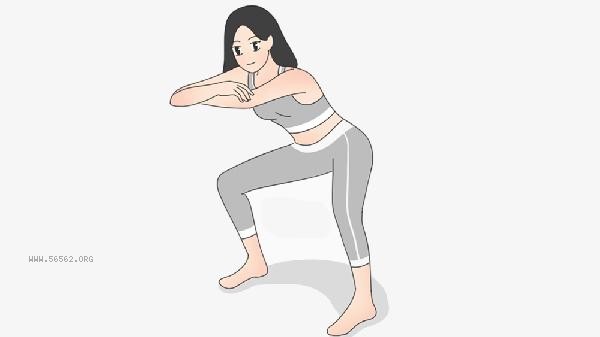
4. Flexibility Training
Although yoga, Pilates, and other exercises do not directly consume a large amount of calories, they can improve body flexibility and muscle coordination, and prevent sports injuries. These exercises are also helpful in relieving stress and improving posture, and can serve as a supplement to aerobic and strength training. Suggest conducting 1-2 sessions per week, each lasting 30-45 minutes.
5. Increased daily activities
Non physical activities such as walking, climbing stairs, standing for work, etc., can significantly increase daily calorie expenditure. Using a pedometer to set a daily goal of 8000-10000 steps, getting up and moving for 2-3 minutes every hour, these small lifestyle changes accumulate and have a significant impact on weight loss.

Weight loss and fitness should be done gradually to avoid injuries caused by overtraining. Warm up and stretch before and after exercise, and wear appropriate sports equipment. Control total calorie intake in diet, ensure high-quality protein and dietary fiber intake, and avoid high sugar and high-fat foods. Maintaining a healthy weight loss rate of 0.5-1 kilogram per week is essential for achieving stable results through long-term persistence. If there are persistent joint pain, dizziness and other discomfort symptoms, medical evaluation should be sought in a timely manner.








Comments (0)
Leave a Comment
No comments yet
Be the first to share your thoughts!