
Drinking milk to lose weight requires a combination of low calorie diet and scientific drinking methods, mainly including controlling the total amount, choosing low-fat milk, combining exercise, avoiding sugar, and drinking in portions.
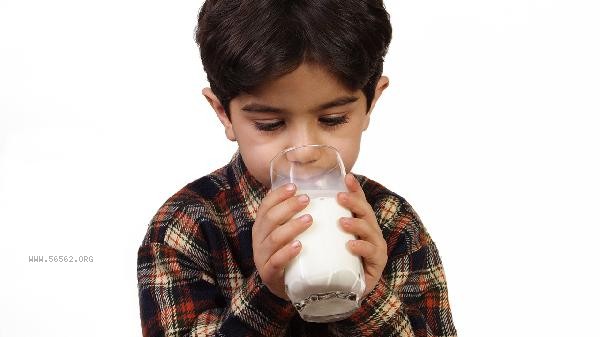
1. Total amount control
Daily milk intake is recommended to be controlled between 250-500 milliliters. Whole milk has a high calorie content, about 65 calories per 100 milliliters, and excessive consumption may lead to excessive calorie intake. During weight loss, milk can be used as a source of high-quality protein and calcium to replace some high-fat snacks, but it should be included in the total calorie intake for the whole day. Lactose intolerant individuals can choose lactose free milk or yogurt.
2. Choose low-fat milk
Defatted or low-fat milk reduces fat content by more than 50% and calories by 30% -40% compared to whole milk. This type of milk retains protein and calcium, making it more suitable for people who need to control their calorie intake. Pay attention to the nutrition chart and avoid choosing flavored dairy products with added sugar. Some studies have shown that conjugated linoleic acid in dairy products may contribute to fat metabolism.
3. Combining Exercise
Drinking milk within 30 minutes after exercise can help with muscle repair, with whey protein being absorbed quickly and casein providing a continuous supply of amino acids. It is recommended to choose a combination of aerobic exercise and strength training, 3-5 times a week, and supplement with 200-300 milliliters of milk after each exercise. The calcium element in milk may participate in the process of fat breakdown.
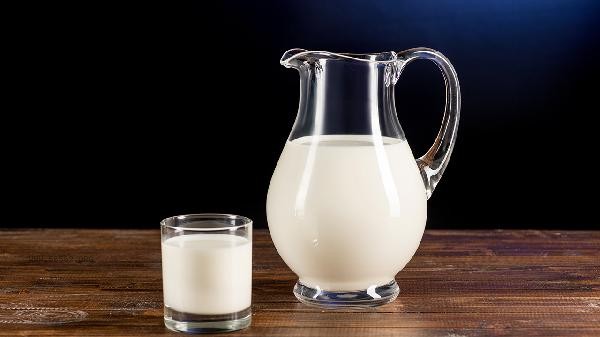
4. Avoid adding sugar
It is forbidden to add refined sugars such as white sugar, honey, or syrup to milk, as these added sugars can quickly raise blood sugar and promote fat synthesis. If seasoning is needed, a small amount of cinnamon powder or sugar free cocoa powder can be used. Commercially available flavored milk usually contains more than 10 grams of sugar per 100 milliliters. When purchasing, carefully check the ingredient list and prioritize products that only use raw milk as an ingredient.
5. Drink in portions
Divide the daily milk intake into 2-3 portions to avoid gastrointestinal discomfort caused by excessive lactose intake at once. Pairing breakfast with whole grain bread can delay gastric emptying, and drinking it before dinner can help increase satiety. Drinking warm milk one hour before bedtime may improve sleep quality and indirectly reduce the desire to eat at night, but attention should be paid to oral hygiene.
It is recommended to maintain a diverse diet during weight loss, as milk cannot completely replace regular meals. Engage in moderate intensity exercise for at least 30 minutes daily, such as brisk walking, swimming, or cycling. When monitoring weight changes, it is important to focus on body fat percentage rather than just weight numbers. If necessary, consult a nutritionist to develop personalized plans. Pay attention to observing bowel movements. If there is persistent bloating or diarrhea, adjust the type of dairy products consumed.








Comments (0)
Leave a Comment
No comments yet
Be the first to share your thoughts!