
Fruit oxidation can be delayed through physical isolation, acidic treatment, low-temperature storage, reducing cutting area, and selecting antioxidant varieties. The oxidation of fruits is mainly due to the enzymatic browning reaction caused by the contact between polyphenol oxidase and oxygen, and the color change rate can be effectively controlled by intervening in the reaction conditions.
1. Physical isolation
Wrap the cut surface tightly with cling film or soak it in cold boiled water to isolate the air. After cutting open easily oxidizable fruits such as apples and pears, immediately covering them with plastic wrap can block oxygen contact. Completely immersing the fruit pieces in drinking water can also form a physical barrier, but the soaking time should not exceed 2 hours to prevent the loss of water-soluble nutrients.
2. Acidic treatment
Soak in lemon juice or white vinegar diluted solution for 5 minutes. Citrus juice is rich in vitamin C and organic acids, which can lower the pH value and inhibit polyphenol oxidase activity. Dilute lemon juice at a ratio of 1:3 and spray it on the surface of fruit pulp. Pineapple protease in pineapple juice also has a similar effect.
3. Low temperature storage
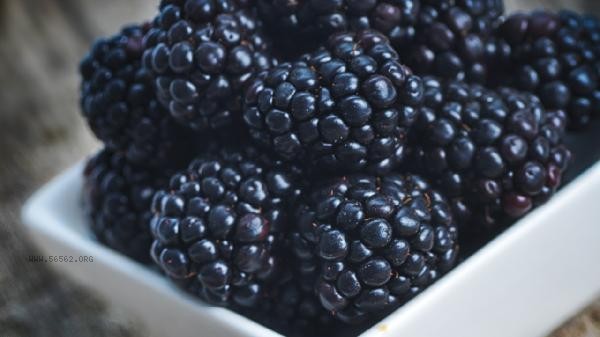
4 ℃ refrigeration can delay the enzymatic reaction rate. Low temperature environment can reduce the molecular movement rate and delay the oxidation reaction by 2-3 times. Tropical fruits such as bananas and mangoes should be kept at a temperature above 10 ℃ to avoid cold damage. Berries are recommended to be sealed and stored in the refrigerator for preservation.
4. Reduce cutting area
Save whole fruits or cut large pieces to reduce exposed surfaces. Apple slices oxidize slower than slices, while whole grapes, strawberries, and other fruits with stems are best preserved. If pre-treatment is required, the skin and stem can be retained, while watermelon, cantaloupe, and other fruits can be stored with a hard outer layer.
5. Antioxidant varieties
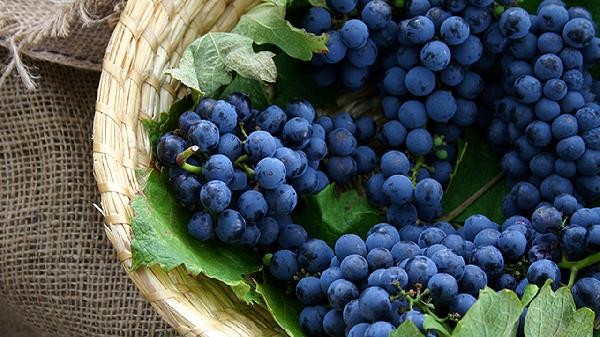
are preferred for those with dense flesh and low tannin content. Red Fuji apples are more resistant to oxidation than Yellow Marshal, purple grapes have stronger antioxidant properties than green grapes, and in mangoes, the orange red flesh of Katsura is chosen to have a slower browning rate than green skin.
In addition to the above methods, avoid using metal knives to cut fruits, as stainless steel knives can also accelerate oxidation reactions. Processed fruits should be consumed as soon as possible. Although oxidized and discolored fruits do not affect safety, some nutrients such as vitamin C may be lost. In daily life, easily oxidizable fruits can be eaten together with nuts rich in vitamin E. The antioxidant components in nuts can synergistically delay browning. For fruit slices that need to be brought with meals, it is recommended to pack them in small sealed boxes and put them in ice packs for preservation.








Comments (0)
Leave a Comment
No comments yet
Be the first to share your thoughts!