
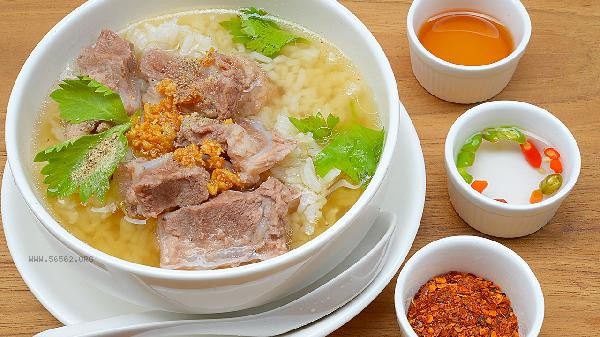
The layer of white oil on the surface of pork rib soup is usually edible, but the intake should be controlled according to individual health conditions. This layer of oil mainly comes from natural fats in bone marrow and meat, containing certain fat soluble nutrients, but excessive intake may increase gastrointestinal burden. During the boiling process of pork rib soup, the fat in the bone marrow and connective tissue will gradually precipitate to form a white oil layer. This type of animal fat contains a small amount of vitamin D and fatty acids, which can provide heat for the body in cold seasons. Traditional cooking believes that a milky white soup base represents rich nutrition, but modern nutrition focuses more on fat content and healthy balance. Long term stewing can increase the concentration of purines and saturated fatty acids in the soup, posing potential risks to individuals with high blood lipids or gout.
In some special circumstances, caution should be exercised when handling this layer of grease. Patients in the postoperative recovery period or acute pancreatitis should completely skim off floating oil to avoid stimulating the digestive system. It is also not recommended to preserve animal fat in infant and toddler complementary foods, as it may cause diarrhea. People with underlying cardiovascular diseases can refrigerate the soup to remove coagulated oils and reduce intake of saturated fatty acids. Adding winter melon, seaweed and other ingredients during cooking can absorb some oil.
It is recommended to pair daily consumption of pork rib soup with vegetables rich in dietary fiber, such as radish or mushrooms, to help delay fat absorption. Control the frequency of weekly consumption and avoid long-term excessive intake of animal fat. People with hypertension can choose to blanch and then stew to reduce oil release. Maintaining dietary diversity, pork rib soup can be an occasional nourishing option, but should not replace daily intake of vegetables and high-quality protein.








Comments (0)
Leave a Comment
No comments yet
Be the first to share your thoughts!