
Fresh bread can be stored at room temperature for 2-3 days, refrigerated for 5-7 days, and frozen for up to 1 month. The shelf life of bread is affected by factors such as storage environment, packaging method, and ingredient additives.

1. Storage Environment
Temperature and humidity are key factors affecting the shelf life of bread. A dry environment below 25 ℃ can delay the growth of mold and prevent bread from becoming sticky and spoiled. In the hot and humid environment of summer, bread is prone to mold spots within 24 hours. It is recommended to store it in a cool and ventilated place after sealing. If gray green mold spots are found on the surface, the entire bread is not edible.
2. Packaging Method
Vacuum packaged bread that has not been opened can have a shelf life of up to 7 days. After opening, it needs to be sealed in a fresh-keeping bag to reduce moisture loss. It is recommended to consume bread packaged in paper bags on the same day, as their breathability can accelerate starch aging. Wrapping with aluminum foil can block oxygen and delay spoilage more effectively than plastic film.
3. Composition Differences
Whole wheat bread usually dries and hardens one day earlier than white bread due to the stronger water absorption of bran. Sweet bread with a sugar content exceeding 15% can inhibit some microorganisms and extend its shelf life by 30%. Industrial bread with added preservatives such as calcium propionate can be stored at room temperature for more than 5 days.

4. Sensory judgment
Fresh bread should have elasticity and rebound when pressed. If it has a sour, alcoholic or sticky texture, it has spoiled. If the taste of frozen bread becomes stale after reheating, it indicates that it has been stored for too long before freezing. Moldy bread with white hair or black spots can produce aflatoxin, and even if the moldy part is removed, there is still a safety risk.
5. Special Processing
Before freezing sliced bread, separate each slice with oil paper to avoid sticking. Refrigerated bread can be heated over high heat in a microwave for 10 seconds to restore its softness. Bread with wet ingredients such as raisins should be refrigerated to prevent fermentation of the ingredients.
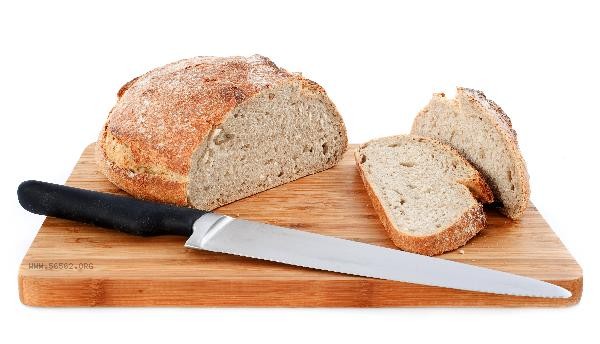
It is recommended to consume as soon as possible after purchase to ensure the best taste, and if necessary, choose to freeze instead of refrigerate. Frozen bread does not need to be thawed before consumption. Simply heat it in an oven at 180 ℃ for 5 minutes to restore its crispness. In daily life, large portions of bread can be divided and frozen to avoid repeated thawing and accelerated spoilage. Pay attention to changes in bread texture, discard any abnormalities in a timely manner, and avoid gastrointestinal discomfort caused by consuming spoiled food.








Comments (0)
Leave a Comment
No comments yet
Be the first to share your thoughts!