
The fermentation methods of Changsha stinky tofu mainly include natural fermentation and artificial inoculation. Natural fermentation relies on microorganisms in the environment, while artificial inoculation uses specific bacterial strains to accelerate the fermentation process. During the fermentation process, temperature, humidity, and time need to be controlled to ensure that tofu produces a unique flavor while ensuring food safety.
1. Natural fermentation
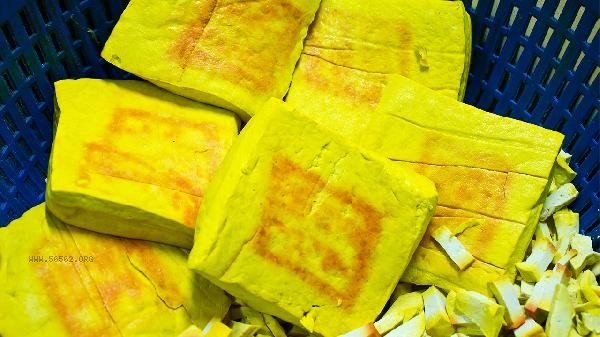
Traditional Changsha stinky tofu mostly adopts natural fermentation. Cut the tofu into pieces and soak them in brine, which is usually made by fermenting raw materials such as amaranth stems, bamboo shoots, and fermented black beans for a long time, and contains a rich microbial community. Tofu is soaked in brine for several hours to two days, during which microorganisms break down protein and fat, producing special flavor compounds. Natural fermentation is greatly affected by environmental temperature, and the time needs to be shortened in summer and extended in winter.
2. Artificial inoculation
Modern technology commonly uses artificial inoculation fermentation. Select safe bacterial strains such as Aspergillus oryzae and Aspergillus niger, cultivate them purely to make fermentation agents, and directly add them to brine. This method has a controllable fermentation time, usually 8-12 hours to complete, and can reduce the risk of bacterial contamination. Inoculated and fermented Stinky tofu has stable flavor and is suitable for large-scale production, but the purity of strain and fermentation conditions need to be strictly controlled.
3. Preparation of Brine
Brine is a key medium for fermentation. Traditional brine requires mixing plant materials such as amaranth stems and winter bamboo shoot shells with salt, sealing and fermenting for several months to form aged brine. Laolu contains a complex of bacteria such as lactic acid bacteria and yeast, which can give tofu a special aroma. When making new brine, some old brine can be added as a starter to accelerate microbial colonization. Brine needs to be regularly replenished with new materials and impurities removed to maintain fermentation activity.
4. Temperature and humidity control
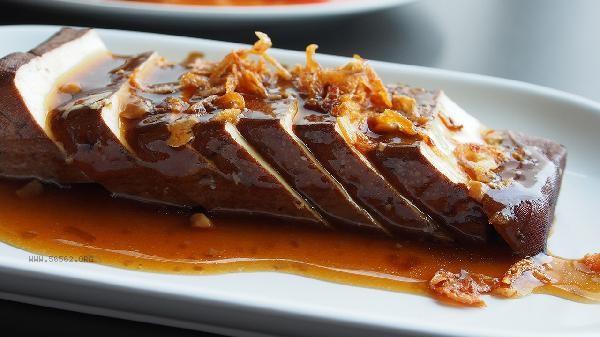
The fermentation environment should be maintained at 20-30 degrees Celsius and 60% -70% humidity. Excessive temperature can lead to the proliferation of spoilage bacteria, while insufficient temperature can delay the fermentation process. For home production, use plastic wrap to cover the container and store it in a cool place. Factory production requires constant temperature facilities and regular flipping of tofu chunks to ensure even fermentation. The fermented tofu surface should form uniform mycelium, without any odor or mucus.
5. Post processing
After fermentation, rinse the surface mycelium with clean water, drain and fry for consumption. Stinky tofu that is not processed in time should be stored in cold storage to avoid excessive fermentation. Some processes may air dry and dehydrate after fermentation to extend the shelf life. Stinky tofu fermented by traditional methods needs to be thoroughly cooked at high temperature to ensure the inactivation of possible pathogenic bacteria.
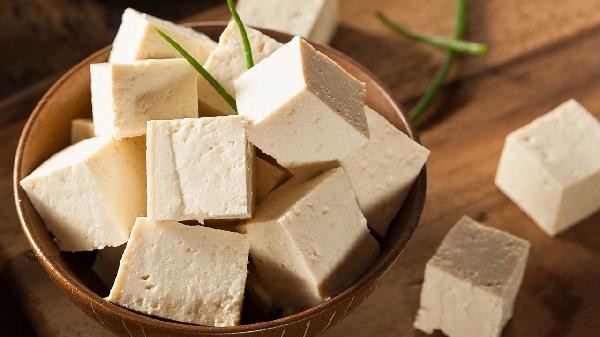
Food safety should be paid attention to when making Stinky tofu. It is suggested to use artificial inoculants to avoid the use of old brine from unknown sources. Fermentation containers should be strictly disinfected, and any abnormal odors or mold spots found during the fermentation process should be immediately discarded. Although Stinky tofu has a unique flavor, its salt content is high, and patients with hypertension should control the consumption. When purchasing finished products, choose products from reputable manufacturers and pay attention to packaging integrity and shelf life.








Comments (0)
Leave a Comment
No comments yet
Be the first to share your thoughts!