
The effective weight loss methods for the waist and stomach mainly include controlling diet, aerobic exercise, strength training, adjusting lifestyle habits, and traditional Chinese medicine conditioning. Obesity may be related to genetics, improper diet, lack of exercise, hormonal imbalances, metabolic abnormalities, and other factors, usually manifested as symptoms such as increased waist circumference and elevated body fat percentage.
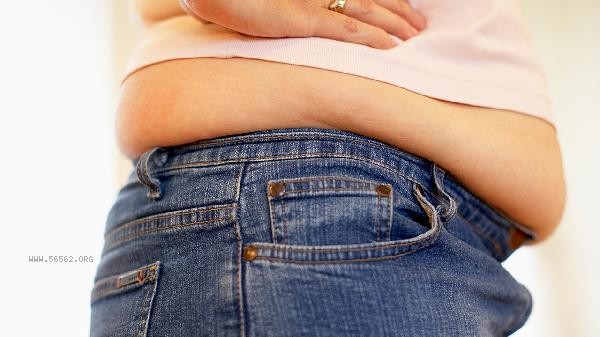
1. Control diet
Reduce the intake of high calorie, high-fat, and high sugar foods, and increase the proportion of foods rich in dietary fiber such as vegetables, fruits, and whole grains. Avoid overeating and limit each meal to around 70% full. Properly supplementing high-quality protein, such as chicken breast, fish, soy products, etc., can help increase satiety and maintain muscle mass. Avoid eating at night and avoid consuming food three hours before bedtime.
2. Aerobic Exercise
Engage in 4-5 moderate intensity aerobic exercises per week, such as brisk walking, jogging, swimming, cycling, etc., each lasting 30-60 minutes. Aerobic exercise can effectively burn body fat, especially abdominal fat. Maintaining a heart rate within the range of 60% -70% of maximum heart rate during exercise results in the highest fat burning efficiency. Warm up and stretch before and after exercise to avoid sports injuries.
3. Strength Training
Conduct 2-3 strength training sessions per week for the waist and abdomen, such as plank support, sit ups, Russian rotations, and other movements. Strength training can increase muscle mass, improve basal metabolic rate, and help maintain long-term weight loss effects. Pay attention to movement standards during training and avoid compensatory movements that may cause injuries to other parts. It is recommended to follow the guidance of a professional coach and gradually increase the training intensity.
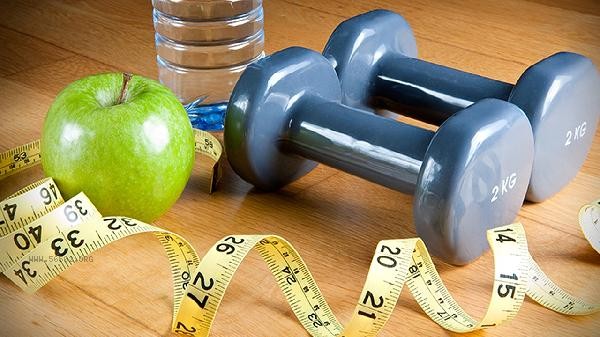
4. Adjust lifestyle habits
Ensure 7-8 hours of sufficient sleep every day. Lack of sleep can affect the secretion of leptin and ghrelin, increasing appetite. Reduce sedentary time by getting up and moving for 5-10 minutes per hour. Managing stress levels, long-term stress can lead to elevated cortisol levels and promote abdominal fat accumulation. Quit smoking and limit alcohol consumption to avoid the negative effects of alcohol and nicotine on metabolism.
5. TCM recuperation
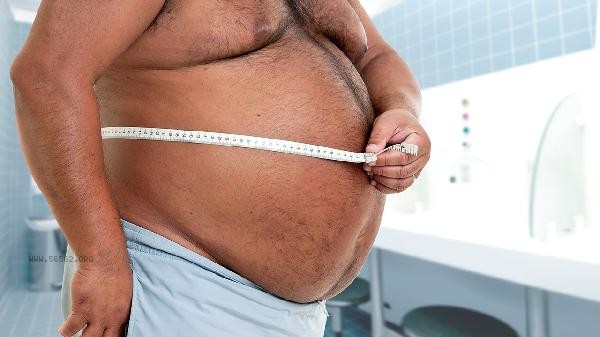
TCM believes that abdominal obesity is mostly related to spleen deficiency and dampness, liver depression and qi stagnation, and can be recuperated by acupuncture and moxibustion, cupping, moxibustion and other methods. Common acupoints include Zhongwan, Tianshu, Zusanli, etc. Under the guidance of a doctor, one can also take traditional Chinese medicine that strengthens the spleen and eliminates dampness, such as Shen Ling Bai Zhu San and Er Chen Tang. Traditional Chinese medicine treatment should be based on individual physical constitution differentiation, and self medication is not recommended. Losing weight is a long-term process that requires adhering to a healthy lifestyle. It is recommended to set a reasonable weight loss goal, with a recommended weight loss of 0.5-1 kilogram per week. Regularly monitor indicators such as waist circumference and body fat percentage, and record dietary and exercise habits. If discomfort symptoms such as dizziness and fatigue occur, the weight loss plan should be adjusted in a timely manner. If necessary, consult a nutritionist or doctor to develop a personalized weight loss plan. Maintain a positive and optimistic attitude, and avoid giving up due to unclear short-term results.








Comments (0)
Leave a Comment
No comments yet
Be the first to share your thoughts!