
Butt weight loss can be achieved through dietary control, aerobic exercise, strength training, adjusting sitting posture, local massage, and other methods. The accumulation of fat in the buttocks is usually related to factors such as prolonged sitting, high calorie diets, and changes in hormone levels.
1. Dietary Control
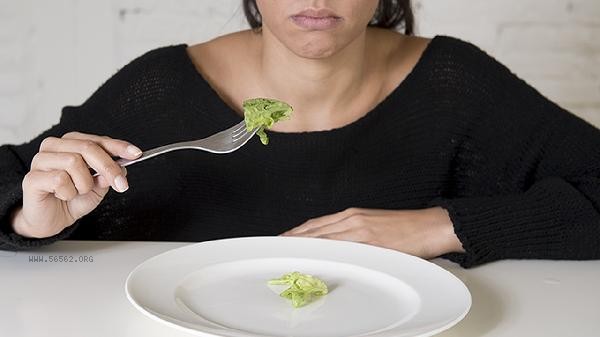
Reducing the intake of refined carbohydrates and high-fat foods, increasing the proportion of high-quality protein and dietary fiber can help reduce body fat. It is recommended to choose low calorie and high nutrient foods such as chicken breast, broccoli, oats, etc., and avoid fried foods and sugary drinks. Daily calorie intake should be slightly lower than consumption, creating a moderate calorie deficit.
2. Aerobic Exercise
Engaging in aerobic exercise for at least 30 minutes 4-5 times a week can effectively burn fat, while whole-body exercises such as jogging, swimming, and skipping rope can promote hip fat metabolism. Maintaining a heart rate within the range of 60% -70% of maximum heart rate during exercise will significantly increase the proportion of fat supply after 20 minutes of continuous exercise.
3. Strength Training
Resistance training such as squats, hip bridges, and side leg lifts targeting the buttocks can enhance muscle mass and improve hip line. Repeat each action 12-15 times, complete 3-4 sets, and train once every other day. An increase in muscle mass can improve basal metabolic rate and create a more lasting weight loss effect.
4. Adjust sitting posture
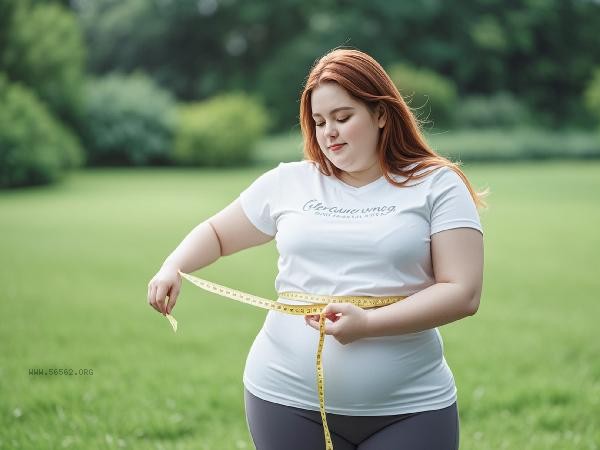
Avoid maintaining a sitting posture for a long time, and move around for 5 minutes every hour. When sitting upright, maintain a neutral position on the spine and place a circular cushion under the hips to distribute pressure. Sitting for a long time can lead to poor blood circulation in the buttocks, accelerating fat accumulation and the formation of orange peel tissue.
5. Local Massage
Use a massage roller or hand to massage the buttocks from bottom to top, combined with essential oils to promote local blood circulation. Massage can temporarily improve edema, but it needs to be combined with exercise to achieve long-lasting shaping effects. Pay attention to moderate massage intensity to avoid damaging subcutaneous tissue.

Hip fat reduction requires a combination of systemic fat reduction and local shaping, and the effectiveness of a single method is limited. It is recommended to develop a comprehensive plan that includes dietary management, aerobic exercise, and strength training, and maintain a reasonable weight loss rate of 0.5-1 kg per week. During the weight loss period, it is important to ensure 7-8 hours of sleep per day and avoid staying up late, which can cause an increase in cortisol and affect fat metabolism. If skin sagging occurs, collagen intake can be strengthened, and combined with moisturizing care, skin elasticity can be improved. Long term sedentary individuals should gradually increase their daily activity levels, such as choosing to work standing or commute on foot.








Comments (0)
Leave a Comment
No comments yet
Be the first to share your thoughts!