
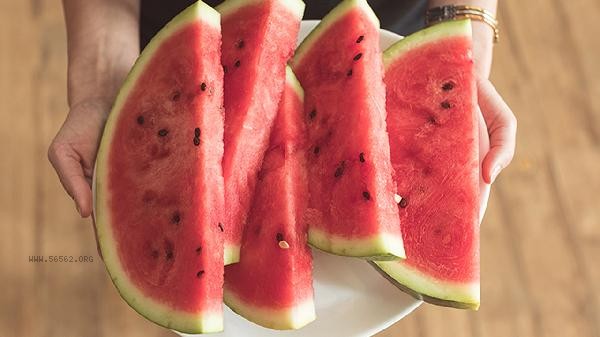
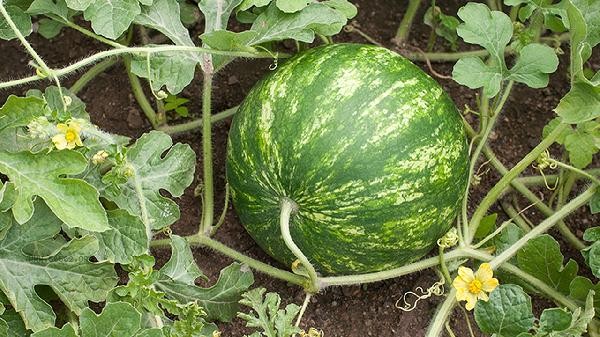
Watermelon can help with weight loss when consumed in moderation, while excessive consumption may lead to weight gain. Watermelon has low calories and high water content, but high sugar content. It is recommended to control the intake. Watermelon contains only 30-40 calories per 100 grams, as well as abundant water and dietary fiber, which can increase satiety and promote bowel movements. The glycemic index is moderate, and consuming a large amount of watermelon in a short period of time can cause fluctuations in blood sugar, which may stimulate appetite. During weight loss, it is recommended to consume watermelon as an extra meal, with no more than 200 grams per meal, and avoid eating it immediately after meals. Watermelon contains citrulline and potassium elements, which can help eliminate edema and are suitable for replenishing electrolytes after exercise. Watermelon has a sugar content of about 6-8%, and excessive consumption can convert sugar into fat for storage. Eating more than 500g a day may exceed the sugar demand of some people, especially those with diabetes. Freezing watermelon can reduce taste sensitivity and make it easy to unconsciously consume excessively. Eating a large amount of watermelon at night may cause swelling in the morning due to water retention. It is recommended to consume it before 4 pm in the afternoon.
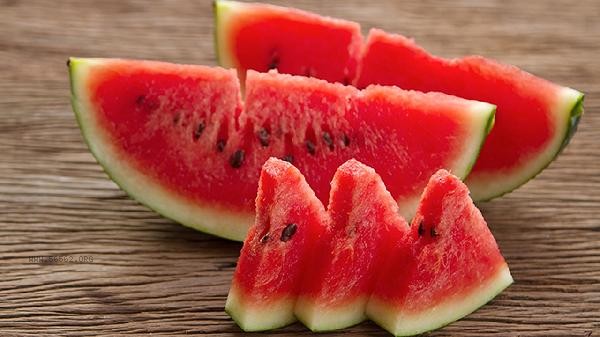
Choose watermelons with moderate maturity to avoid sugar concentration caused by overripe. Paired with high-quality protein foods such as sugar free yogurt, it can delay the rise of blood sugar. People with weak digestive system should avoid eating watermelon on an empty stomach, and refrigerated watermelon should be reheated before consumption. It is recommended to consume 300-400 grams of watermelon per day, divided into two servings, combined with aerobic exercise to better achieve weight loss effects. If diarrhea or bloating occurs, immediately stop eating and replenish electrolytes.








Comments (0)
Leave a Comment
No comments yet
Be the first to share your thoughts!