
A slight odor in pig liver may indicate spoilage, or it may be related to storage methods or special handling. Fresh pig liver should be dark red in color, with a moist surface and no mucus. If there is obvious decay, stickiness, or green color, it has already decayed. Pig liver is rich in heme iron and vitamin A, but it is prone to bacterial growth and requires strict freshness control.
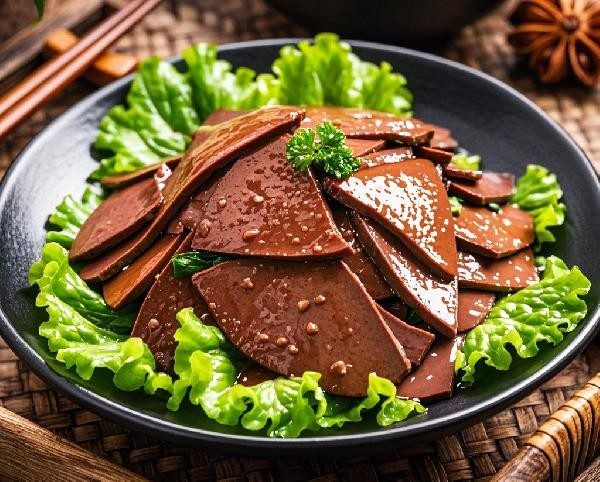
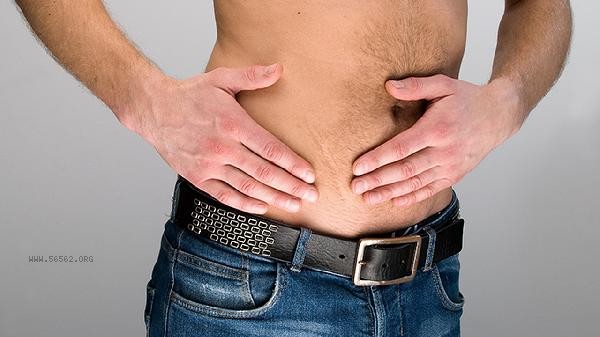
Pig liver can be stored for 1-2 days under refrigeration conditions, and can last for about a month in a frozen state. If not dealt with in a timely manner after purchase, or if the storage temperature is unstable, surface microorganisms will accelerate their growth and produce odors. Some commercially available pig liver may have undergone special acid elimination treatment and may have a slight ammonia odor, but the odor should be significantly reduced after rinsing with water. It is recommended to choose products with uniform color and elastic texture when purchasing, and avoid purchasing pre sliced pig liver exposed to the air. When there is a strong odor of decay in pig liver, it indicates that proteins have been broken down to produce sulfides and amines. This type of spoiled pig liver may contain pathogenic bacteria such as Salmonella and Escherichia coli, which can easily cause acute gastroenteritis and symptoms such as abdominal pain and diarrhea after consumption. Pregnant women, children, and immunocompromised individuals should absolutely avoid consuming suspected spoiled animal organs. If nausea and vomiting occur after ingestion, it is recommended to drink a moderate amount of diluted salt water and seek medical attention promptly.
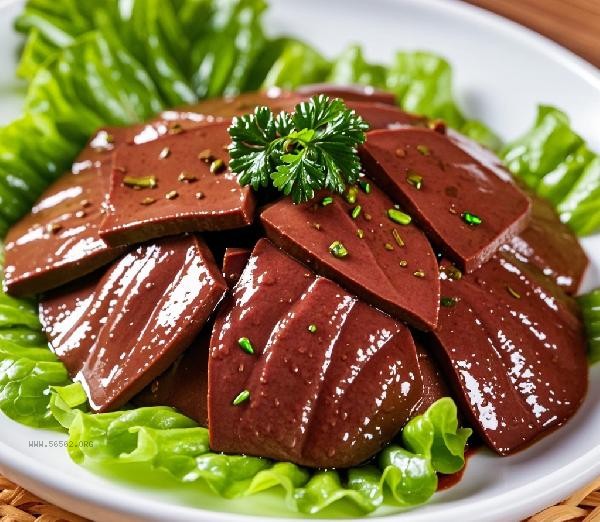
When purchasing pig liver in daily life, gently press the surface to test its resilience, and the depression of fresh pig liver can quickly recover after pressing. Rinse and soak with running water for 30 minutes before cooking, and change the water 2-3 times in the middle to help remove blood. It is recommended to use high-temperature cooking methods such as stir frying or braising to ensure that the center temperature reaches 70 ℃ or above. The weekly consumption of animal organs should not exceed 100 grams, and patients with chronic liver disease and hyperuricemia should strictly control their intake. If you have doubts about the freshness of pig liver, you would rather discard it than take the risk of consuming it.








Comments (0)
Leave a Comment
No comments yet
Be the first to share your thoughts!