
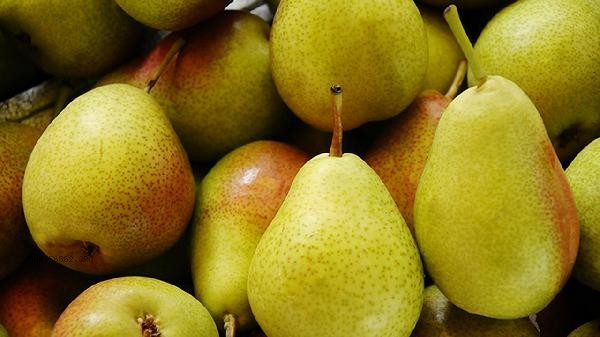
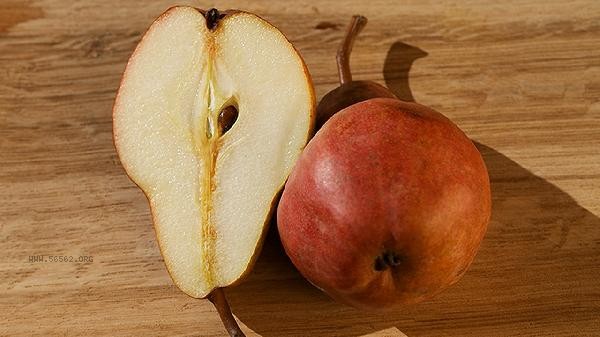
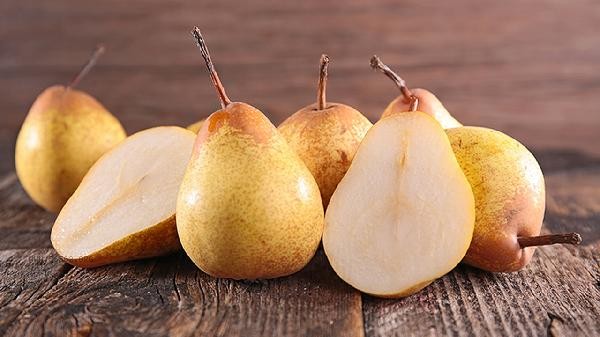
Pears do have a certain ripening effect, mainly due to the release of ethylene gas. Ethylene is a natural plant hormone that can promote fruit ripening and softening. During the ripening process, pears release a significant amount of ethylene gas, which can accelerate the ripening process of surrounding fruits. Place unripe fruits and pears in sealed bags or containers, and the ethylene released by the pears will be absorbed by other fruits, triggering their ripening mechanism. This method is suitable for ethylene sensitive fruits such as bananas, kiwis, mangoes, etc., and significant effects can usually be observed after 1-3 days of storage. When using pears to ripen, attention should be paid to ventilation to avoid excessive ethylene concentration that can cause the fruit to ripen and rot. Some fruits, such as citrus and grapes, have weak reactions to ethylene, and pears have limited ripening effects on them. Some special varieties of pears release less ethylene, resulting in a decrease in ripening efficiency. Over ripe pears may affect their ripening effect due to a decrease in ethylene release. It is recommended to choose pears with moderate maturity as ripening media. Using the natural release of ethylene from fruits to ripen is a safe and environmentally friendly way, without the need for chemical agents. In daily life, pears and fruits that need to be ripened can be placed in paper bags, avoiding direct sunlight and regularly checking their maturity. If rapid ripening is required, the environmental temperature can be appropriately increased to enhance ethylene activity, but attention should be paid to controlling humidity to prevent mold growth. This method is not suitable for fruits that have already been cut open. It is recommended to consume them as soon as possible to ensure freshness.








Comments (0)
Leave a Comment
No comments yet
Be the first to share your thoughts!