
Green tea may help with weight loss, but the effect varies from person to person. The tea polyphenols and caffeine in green tea may promote metabolism and fat breakdown, but relying solely on green tea cannot achieve significant weight loss effects. The catechins in green tea, especially epigallocatechin gallate, may affect body weight by increasing energy expenditure and fat oxidation. Caffeine may temporarily increase metabolic rate and enhance fat utilization efficiency during exercise. Some studies have shown that regular consumption of green tea may have a slight improvement in body fat percentage, but it requires dietary control and exercise to show the effect. The content of active ingredients in different varieties of green tea varies greatly, and unfermented green tea usually retains more tea polyphenols.
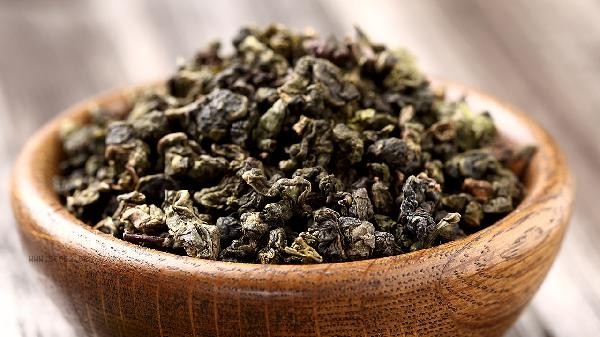
It should be noted that some people may experience adverse reactions such as palpitations or insomnia when drinking green tea. Green tea drinks with added sugar or other high calorie ingredients may offset potential weight loss benefits. People with gastrointestinal sensitivity may experience discomfort when drinking on an empty stomach. Pregnant and lactating women should control their intake of green tea. Some drugs may interact with green tea to affect its efficacy. Maintaining a healthy weight requires comprehensive lifestyle adjustments, including a balanced diet and regular exercise. When drinking green tea, you can choose sugar free varieties to avoid affecting sleep quality before bedtime. If you plan to lose weight by drinking green tea, it is recommended to consult a nutritionist to develop a personalized plan. During the weight loss process, attention should be paid to changes in body composition rather than simply pursuing weight loss.









Comments (0)
Leave a Comment
No comments yet
Be the first to share your thoughts!