
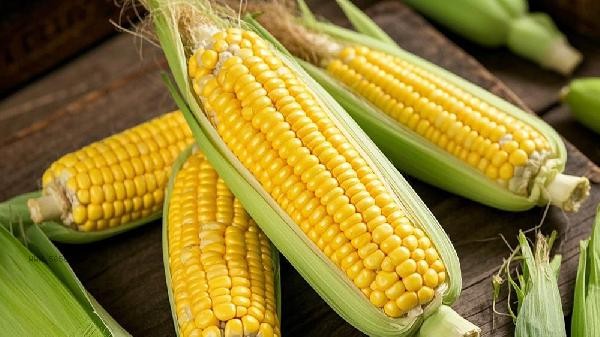
Eating corn in moderation for dinner can help with weight loss. Corn is rich in dietary fiber and has low calories, which can enhance satiety and reduce intake of high calorie foods, but it needs to be combined with overall dietary control and exercise.
1. Dietary Fiber Function
Dietary fiber in corn can slow down gastric emptying and reduce hunger. Dietary fiber can also promote intestinal peristalsis, helping to eliminate excess fat and metabolic waste from the body. Every 100 grams of corn contains about 2-4 grams of dietary fiber, which is close to one tenth of the daily requirement.
2. Low calorie characteristics
The calorie content of a regular boiled corn is about 100-120 kcal, much lower than that of rice or noodles of the same weight. Replacing some staple foods with corn can effectively reduce the total calorie intake of dinner, but it is important to avoid adding high calorie ingredients such as butter.
3. Blood sugar regulation
The glycemic index of corn is at a moderate level, and its carbohydrate release rate is slow, which helps maintain blood sugar stability. Stable blood sugar can reduce fat synthesis, but diabetes patients still need to control consumption.
4. Balanced nutrition
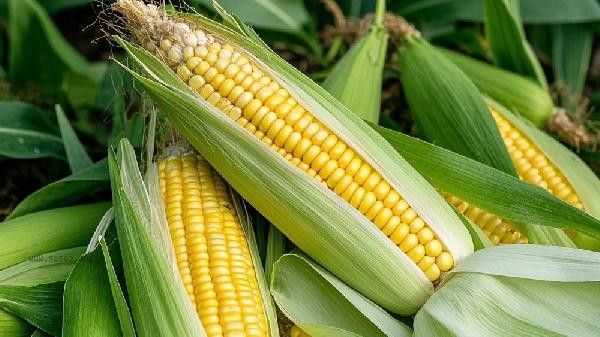
Corn contains trace elements such as vitamin B, vitamin E, and zinc, which can supplement nutrients that are easily lacking during weight loss. Suggest pairing with high-quality protein such as chicken breast or soy products to avoid nutrient homogenization.
5. Precautions for consumption
Glutinous corn has a higher carbohydrate content than sweet corn and should be reduced as appropriate. Overconsumption by individuals with weak gastrointestinal function may lead to bloating. Suggest choosing steaming method to avoid processing methods such as deep frying or sugar stains. During the weight loss period, corn can be used as a substitute for dinner staple food, but the total daily intake should be controlled at 1-2, combined with green leafy vegetables and lean meat. Long term consumption of corn alone may lead to insufficient protein intake. It is recommended to schedule 2-3 rotations of miscellaneous grains per week. Simultaneously maintaining at least 150 minutes of moderate intensity exercise per week, such as brisk walking or swimming, is necessary to achieve the desired weight loss effect. If there is obvious hunger or fatigue, the dietary structure should be adjusted in a timely manner.









Comments (0)
Leave a Comment
No comments yet
Be the first to share your thoughts!