
Drinking beer may have negative effects on weight loss, mainly related to alcohol calories, metabolic disturbances, and changes in dietary behavior. Beer belongs to alcoholic beverages, with a higher calorie content per gram of alcohol, second only to fat. Alcohol metabolism takes priority over carbohydrates and fats, which can slow down the rate of fat burning. Frequent consumption of beer may lead to excessive calorie intake, especially when paired with high salt and high-fat appetizers, which are more likely to cause obesity. The extract of hops in beer may stimulate appetite and increase the probability of extra eating. Some people are prone to edema after drinking beer, leading to temporary weight gain. Alcohol can also affect sleep quality, and insufficient sleep may disrupt the secretion of leptin and ghrelin, indirectly promoting fat accumulation. Alcohol may reduce exercise endurance and decrease daily activity consumption. When the liver breaks down alcohol, it reduces the metabolism of other nutrients, which may affect protein synthesis and muscle repair.
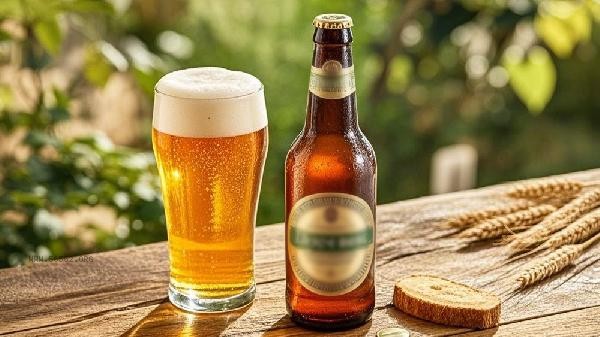
It is recommended to reduce the frequency and single consumption of alcohol during weight loss, prioritize low alcohol beer, and avoid pairing it with fried foods. You can try replacing some of your beer intake with sugar free sparkling water or lemon water to control total calories while maintaining hydration. Increase daily aerobic exercise and strength training to offset some of the calorie effects of alcohol by increasing basal metabolic rate.








Comments (0)
Leave a Comment
No comments yet
Be the first to share your thoughts!