
The surface of apples naturally produces fruit wax, which is a protective substance secreted by the plant itself. Fruit wax is mainly composed of lipid compounds secreted by apple epidermal cells, which have physiological functions such as reducing water evaporation and resisting bacterial invasion. Apple epidermal cells continuously synthesize and secrete hydrophobic wax, which gradually forms a uniform transparent film during fruit ripening. The main components of natural fruit wax include organic compounds such as alkanes, fatty acids, esters, and aldehydes, and its formation is closely related to apple varieties and growth environments. The thickness of fruit wax varies significantly among different varieties, for example, the natural wax layer of Fuji apples is usually thicker than that of Gala apples. Natural fruit wax is harmless to the human body and difficult to rinse with clean water, which is the main reason for the common luster on the surface of apples.
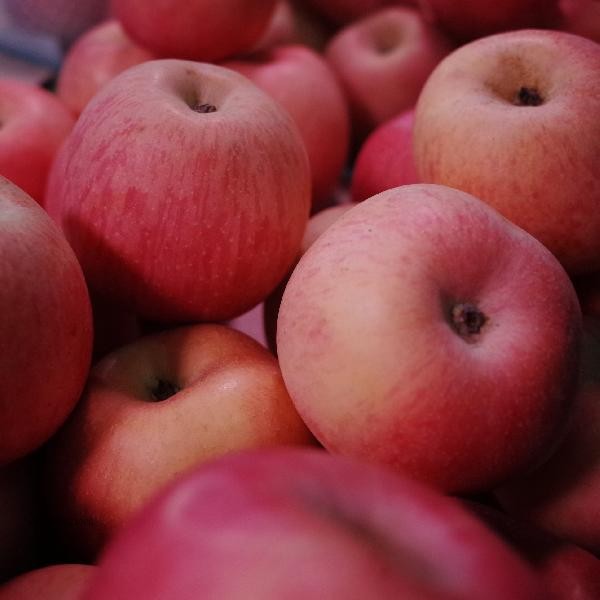
Some commercially available apples may have undergone artificial waxing treatment, and food grade fruit wax often uses natural materials such as insect glue or palm wax. The edible wax allowed to be used in China includes three legal additives such as morpholine fatty acid salts. The wax layer on the surface of artificially waxed apples is thicker and evenly distributed, but it can be removed by scrubbing with warm water and loofah flesh. If you have concerns about fruit wax, you can choose to consume it through organic certification or cooking with skin.
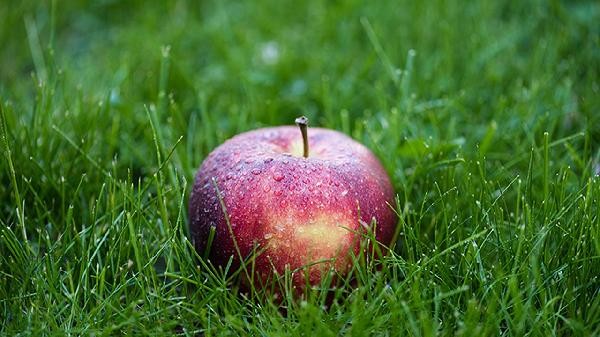
When consuming apples in daily life, there is no need to deliberately remove the fruit wax. Both natural and artificial fruit wax meet food safety standards. It is recommended to prioritize purchasing local apples of the current season, as these fruits usually do not require additional preservation treatment. Rub and rinse with running water for 30 seconds before consumption to effectively remove surface dust and some pesticide residues, while retaining nutrients such as dietary fiber and anthocyanins in apple peels. For those who are sensitive to wax, they can soak in water below 60 ℃ and then peel and consume it, but it may result in the loss of some epidermal nutrients.








Comments (0)
Leave a Comment
No comments yet
Be the first to share your thoughts!