
The white orange peel on an orange does not need to be deliberately torn off and can be consumed together with the fruit pulp. Juluo is rich in dietary fiber, flavonoids, and a small amount of vitamins, which are helpful in promoting gastrointestinal motility and antioxidation.
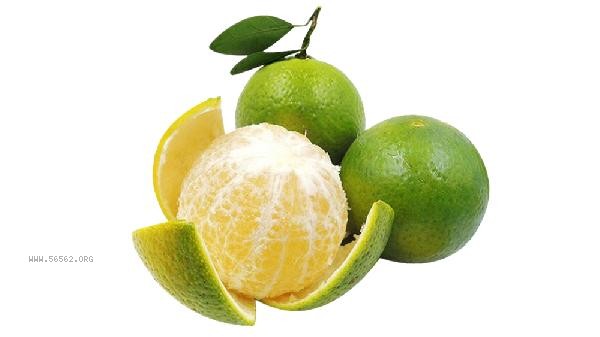
Juluo is the vascular tissue in the inner layer of orange fruit, which is soft in texture and has no obvious odor. Its dietary fiber content is higher than that of the fruit pulp, and moderate consumption can increase satiety and help delay postprandial blood sugar rise. Flavonoids have antioxidant properties and potential benefits for maintaining vascular health. The orange skin of fresh oranges usually does not affect the taste, and can naturally blend with the flesh after chewing.
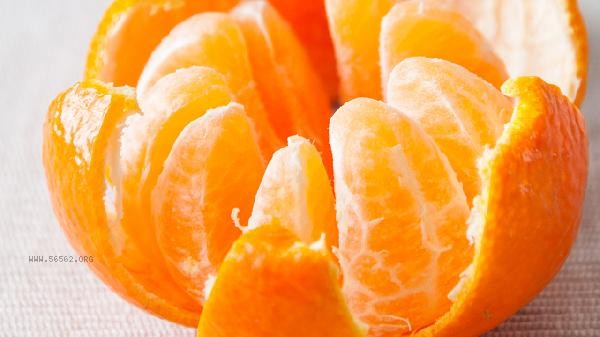
Some varieties of oranges may have a slight bitterness in their orange peel, or prolonged storage may cause the peel to become dry and hard. People who are sensitive to mouth sensitivity can be selectively removed, but their nutritional loss is limited. If children or those with weak gastrointestinal function are concerned about difficulty digesting the orange veins, they can gently tear off the thicker part of the veins.
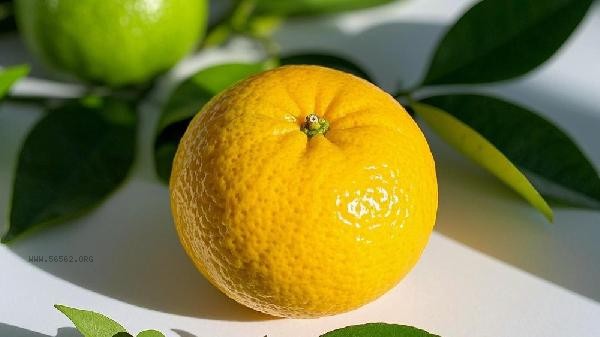
When eating oranges, it is recommended to rinse the skin with running water to avoid pesticide residues contaminating the flesh through the incision. The recommended daily intake of oranges is between 200-350 grams, as excessive intake may cause irritation to the oral mucosa or gastrointestinal discomfort. People with diabetes should pay attention to taking it in batches to avoid taking too much fructose at one time.








Comments (0)
Leave a Comment
No comments yet
Be the first to share your thoughts!