
The red beans used for making Zongzi usually need to be cooked in advance. The texture of red beans is hard, and directly wrapped in Zongzi may lead to a lack of cooking time and a hard taste. Cooking the beans in advance to seven or eight minutes can ensure that Zongzi is soft and glutinous as a whole. If using a pressure cooker to quickly cook zongzi or soaking red beans for more than 12 hours, the pre cooking time can be appropriately shortened. Red beans are rich in dietary fiber and plant protein, but their skin contains many anti nutritional factors. Long term soaking and pre cooking can improve digestion and absorption rates. The traditional method is to soak red beans in cold water for more than 6 hours, then simmer over low heat for 40 minutes until slight cracking occurs. At this time, the bean core still maintains its intact shape to avoid breakage during packaging. In some places, it is customary to mix red beans with glutinous rice and directly package them, but the cooking time of Zongzi needs to be extended to more than 3 hours.
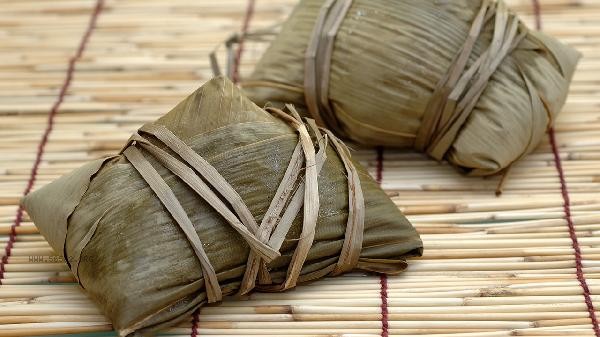
When using aged red beans or beans that have not been fully soaked, even if pre cooked, there may be undercooked conditions. This type of red bean has a significantly hardened cell wall, and it is recommended to use freezing treatment: after soaking, the red beans should be drained of water and frozen for 24 hours. After ice crystals destroy the cell structure, they should be boiled for 20 minutes to soften. Special varieties such as adzuki beans, due to their small size, can be soaked for 4 hours and boiled for 15 minutes to achieve the desired state.
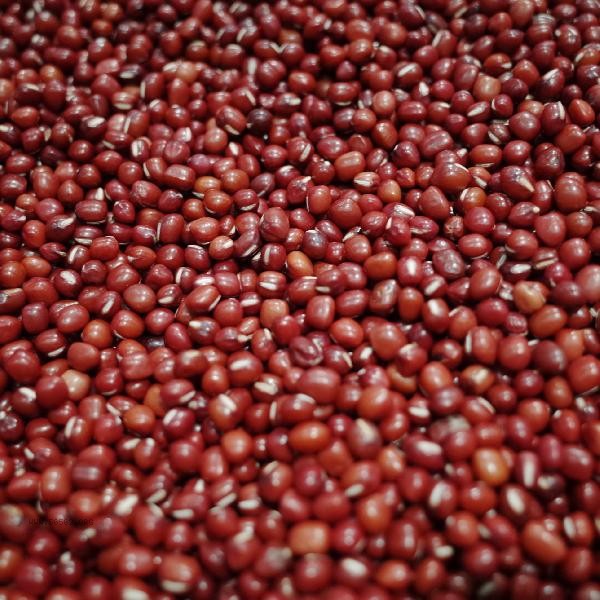
Pay attention to the change of water quality when processing red beans. If there is a lot of foam in the soaking water, the water needs to be changed many times, which can reduce the gas production and abdominal distension of some people after eating. It is suggested to control the ratio of red beans to glutinous rice at about 1:3. Too many beans will affect the shaping of Zongzi. The proportion of red beans can be appropriately increased when diabetes patients make bags, and their low glycemic index characteristics can be used to balance the blood glucose response.








Comments (0)
Leave a Comment
No comments yet
Be the first to share your thoughts!