
Having a lot of body fat usually does not require deliberate local exercise for weight loss. Weight loss is a systemic process rather than a local behavior. Fat consumption follows the principle of negative energy balance and needs to be achieved through whole-body aerobic exercise combined with dietary control. There is no mechanism for targeted burning of specific parts of fat during the process of weight loss. When the body needs to break down fat for energy, hormone sensitive lipase activates adipocytes throughout the body, prioritizing the mobilization of visceral fat and proximal subcutaneous fat. Common misconceptions such as sit ups to reduce abdominal fat or arm training to reduce body fat can only enhance local muscle endurance and cannot significantly reduce fat thickness in that area. Low to moderate intensity aerobic exercise such as jogging, swimming, cycling, etc. that lasts for more than 30 minutes, combined with 2-3 whole-body resistance training sessions per week, can effectively improve basal metabolic rate and promote overall fat consumption.

In special circumstances, attention should be paid to abnormal accumulation of local fat. When central obesity is accompanied by an abnormal increase in waist to hip ratio, there may be metabolic problems such as insulin resistance. At this time, in addition to regular exercise, it is necessary to strengthen blood glucose monitoring. Certain hormonal disorders such as Cushing's syndrome can lead to specific deposition of facial and trunk fat, which requires endocrine intervention rather than simple motor regulation. When the rectus abdominis muscle separates more than 2 fingers wide in postpartum women, blindly performing abdominal rolling exercises may worsen the separation, and pelvic floor muscle rehabilitation training should be performed first.
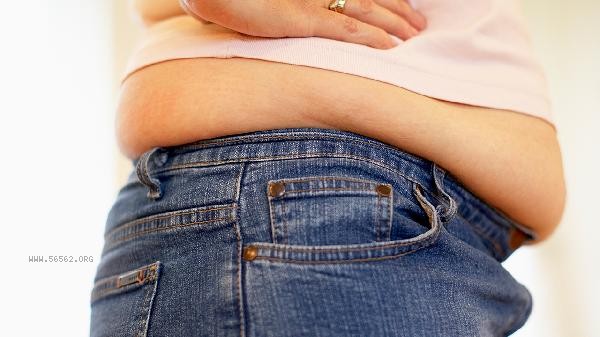
It is recommended to use a combination of exercise and dietary management to maintain a daily calorie deficit of 300-500 calories. The exercise plan should include 150 minutes of moderate intensity aerobic exercise per week, as well as resistance training for large muscle groups. Recording indicators such as waist circumference and body fat percentage is more meaningful than simply focusing on weight. If local circumference remains abnormal, pathological factors need to be investigated. Establishing a long-term healthy lifestyle is more important than pursuing short-term local weight loss.









Comments (0)
Leave a Comment
No comments yet
Be the first to share your thoughts!