
Potato weight loss can be achieved by adjusting consumption patterns, controlling intake, combining exercise, choosing low-fat cooking methods, and avoiding high calorie ingredients. Potatoes are rich in dietary fiber and resistant starch, which can help increase satiety and reduce calorie intake.

1. Adjusting the way of consumption
Replacing refined rice and flour with potatoes as the staple food can reduce carbohydrate intake. After cooling, potatoes have a higher content of resistant starch, which can delay the rise of blood sugar and promote intestinal health. It is recommended to choose potatoes that have been steamed or baked and refrigerated, and avoid frying or processing foods.
2. Control intake
It is advisable to consume no more than 200 grams of potatoes per meal, which is approximately equivalent to one medium-sized potato. Overconsumption may lead to excessive calorie intake. It is recommended to pair it with non starchy vegetables and high-quality protein foods such as broccoli and chicken breast to balance nutrition.
3. Combined Exercise
Doing 150 minutes of moderate intensity aerobic exercise per week, such as brisk walking, swimming, etc., can accelerate the metabolism of carbohydrates in potatoes. Moderate supplementation of potatoes after exercise can help restore muscle glycogen, but it is necessary to avoid adding high-fat ingredients such as butter.
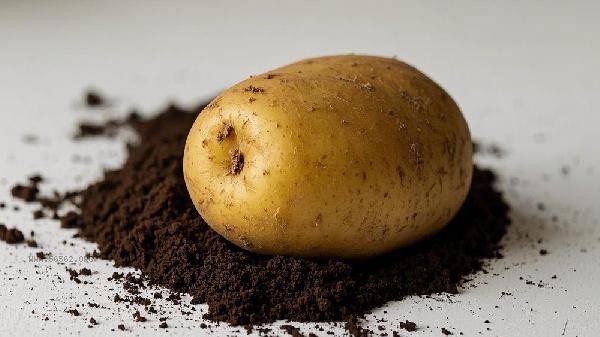
4. Choose low-fat cooking.
Prioritize steaming, boiling, baking, and other cooking methods to avoid frying potato products. Cooking with skin can retain more dietary fiber and potassium elements, and using a small amount of olive oil instead of animal fat during cooking is healthier.
5. Avoid high calorie ingredients
Prohibit pairing high calorie ingredients such as salad dressing, cheese, bacon, etc. with potatoes. Low calorie condiments such as sugar free yogurt, vanilla, and black pepper can be used instead, and the total calorie content of each potato dish should be controlled within 200 calories.
During the implementation of potato weight loss, it is necessary to ensure a daily water intake of at least 2000 milliliters, combined with regular sleep patterns and sufficient sleep. Long term consumption of potatoes alone may lead to nutritional imbalance. It is recommended to replace them with other coarse grains 2-3 days a week. If there is gastrointestinal discomfort or persistent weight loss, it is necessary to consult a nutritionist in a timely manner to adjust the diet plan. During the weight loss process, monthly monitoring of changes in body fat percentage should be conducted to avoid excessive pursuit of rapid weight loss.








Comments (0)
Leave a Comment
No comments yet
Be the first to share your thoughts!