
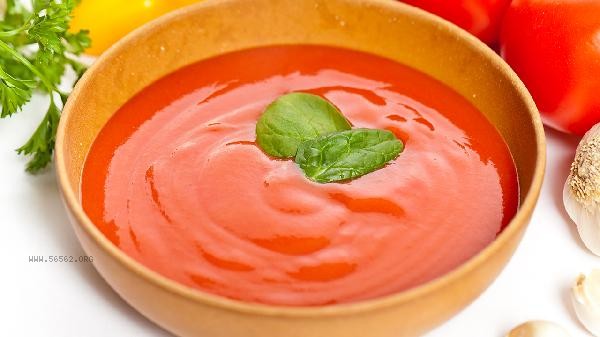
It is generally recommended to add dough to the soup after the water has boiled, as this can prevent the dough from sticking or gelatinizing. When making, the flour needs to be mixed into a flocculent shape, and after the water boils, it should be dispersed and poured into the pot, while quickly stirring with chopsticks. When making dumpling soup, the flour solidifies rapidly when heated after the water boils, which can maintain clear particles and a chewy texture. If it is under cold water, flour is prone to clumping and sinking to the bottom, and may gelatinize into a paste during boiling. The traditional method is to first mix flour with water into small particles, then use a sieve or chopsticks to add boiling water, and combine it with ingredients such as tomatoes and eggs to enhance the flavor. The size of the dough lumps can be controlled by adjusting the water flow rate and stirring force, and for those who prefer chewiness, the particles can be appropriately increased.
In special circumstances, such as using pre mixed powder or ready to eat dumpling soup dumplings, some products may be labeled as being cooked in cold water. These processed ingredients contain starch improvers and can maintain their shape even in low temperature environments, but they have a soft taste and require extended cooking time. Before operation, carefully read the packaging instructions to avoid affecting the quality of the finished product due to differences in cooking methods.
As a home cooked noodle dish, it is recommended to pair it with green leafy vegetables and high-quality protein ingredients to balance nutrition. People with weak gastrointestinal function can reduce the amount of flour or prolong the stewing time to promote digestion and absorption. Avoid pouring too many flocs at once, which may cause a sudden drop in water temperature. Keep the heat at medium and stir continuously to prevent sticking or overflowing of the pot. After refrigeration, the remaining lump soup needs to be reheated and boiled to avoid starch retrogradation affecting the taste.








Comments (0)
Leave a Comment
No comments yet
Be the first to share your thoughts!