
Leftover food does not need to wait for it to cool before putting it in the refrigerator. It is recommended to refrigerate it as soon as it is hot and sealed. Food stored at room temperature for too long may breed bacteria and increase food safety risks. The longer a food stays in the danger zone during the temperature drop after cooking, the faster the bacterial growth rate. Putting hot food directly into the refrigerator may temporarily affect the refrigerator temperature, but modern refrigerators have sufficient cooling capacity to cope and quickly lower the center temperature of the food to a safe range. Using shallow containers for packaging and sealing can accelerate cooling while avoiding cross contamination. In special circumstances, such as when the food temperature is extremely high and the amount is too large, it can be divided into small portions or quickly cooled with ice water before refrigeration. However, it should be noted that the cooling process should not exceed two hours, and in high temperature environments during summer, it should be shortened to less than one hour.
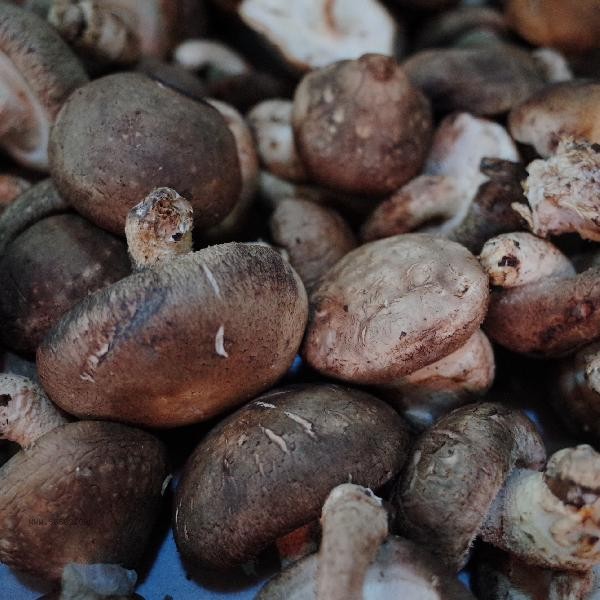
When storing leftovers in daily life, it is recommended to use a fresh-keeping box or plastic wrap to isolate them from the air, refrigerate for no more than three days, and thoroughly heat them to the center temperature before consumption to reach a certain standard. Regularly clean the refrigerator to avoid odors and bacterial growth. Reasonably planning the portion size of meals and reducing the production of leftovers can not only ensure nutritional intake, but also reduce food safety hazards.








Comments (0)
Leave a Comment
No comments yet
Be the first to share your thoughts!