
Raisins usually do not need to be washed and can be consumed directly, but they can be rinsed if stored in an unclean environment or if hygiene is a concern. Raisins undergo high-temperature drying or air drying during processing, resulting in a significant reduction of surface microorganisms, making them more compliant with food safety standards in formal packaging. Loose raisins may come into contact with dust during transportation and storage. They can be quickly rinsed with running water and dried. As a naturally dried or dried fruit, raisins form a sugar crystal layer on their surface, which itself has an inhibitory effect on bacteria. The raisins produced in modern industrial production will go through sorting, dust removal, sterilization and other processes, and have reached the hygiene standards for direct consumption before packaging. If you purchase sealed packaging products or find obvious impurities on the surface of raisins, rinse them briefly with cold water to remove the attachments. However, it is important to note that excessive rinsing can cause sugar loss and poor taste.
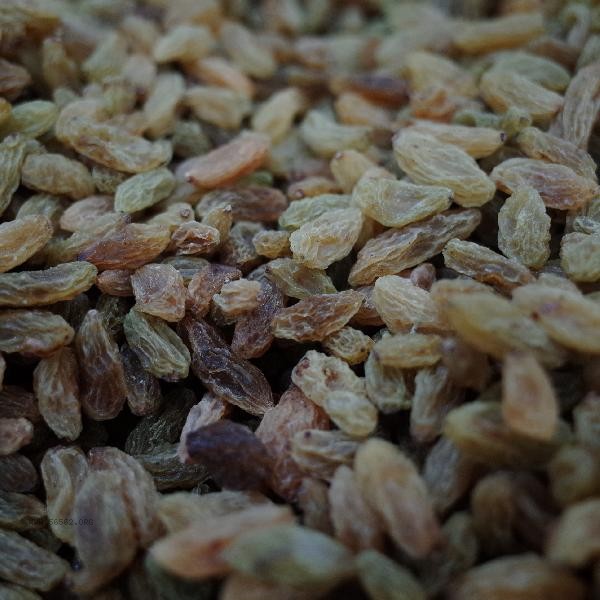
In some special cases, it is recommended to clean raisins, such as storing them in a damp environment for a long time after opening, or when making baby food supplements. For immunocompromised individuals, soaking raisins in warm water at around 70 ℃ for 1-2 minutes can further reduce the risk. It is necessary to avoid using cleaning agents or soaking for a long time, otherwise it will damage the flavor substances and some water-soluble vitamins of raisins.
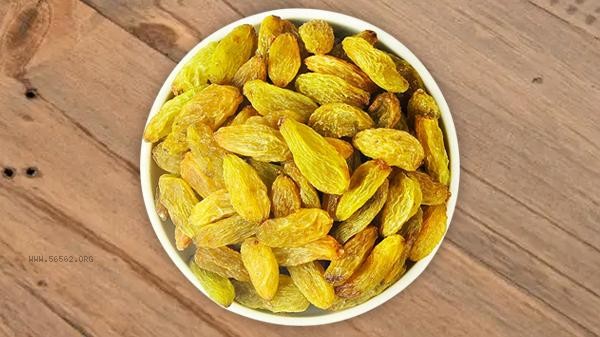
For daily consumption of raisins, it is recommended to choose sealed packaging products with quality certification and consume them as soon as possible after opening. Bulk raisins can be stored in sealed cans in a cool place. If not consumed in a timely manner after cleaning, it is necessary to dry the water to prevent mold growth. When paired with oats and yogurt, unwashed raisins can be used directly. The elderly and children can cut small pieces to prevent choking when eating. diabetes patients need to control the single intake within 15g.









Comments (0)
Leave a Comment
No comments yet
Be the first to share your thoughts!