
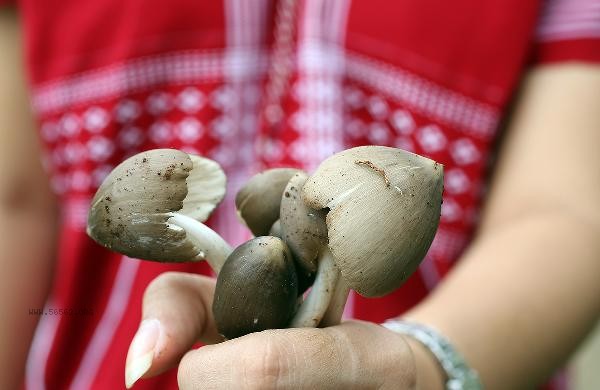
Mushrooms can grow on trees or on the ground, depending on the type of mushroom. There are mainly saprophytic, parasitic, symbiotic and other types. Saprophytic mushrooms typically grow in decaying trees, fallen leaves, or soil and obtain nutrients by decomposing organic matter. Common mushrooms such as shiitake mushrooms and shiitake mushrooms belong to saprophytic mushrooms, and wood chips or straw are often used as the culture medium for artificial cultivation. This type of mushroom has low requirements for growth environment and strong adaptability, making it the most common edible mushroom species on the market.
II. Parasitic type
Parasitic mushrooms mainly parasitize live trees, such as common Ganoderma lucidum, Hericium erinaceus, etc. They break down the lignin and cellulose of trees by secreting special enzymes, which may cause the host trees to rot or even die. This type of mushroom has special medicinal value, but wild resources are relatively scarce.
III. Symbiotic type
Symbiotic mushrooms form a mycorrhizal symbiotic relationship with plant roots and mostly grow in soil. Rare wild mushrooms such as matsutake and boletus belong to this category, which form mutually beneficial relationships with specific tree species and are difficult to cultivate artificially. This type of mushroom has strict requirements for the ecological environment, a long growth cycle, and unique flavor and nutritional value.
4. Special Growth Environment
Some mushroom species have special growth habits, such as the chicken fir fungus growing in ant nests or mushrooms growing on specific animal feces. These special growth environments are often closely related to the reproductive mode of mushrooms, forming unique ecological adaptation mechanisms.
Fifth, Artificial Cultivation Methods
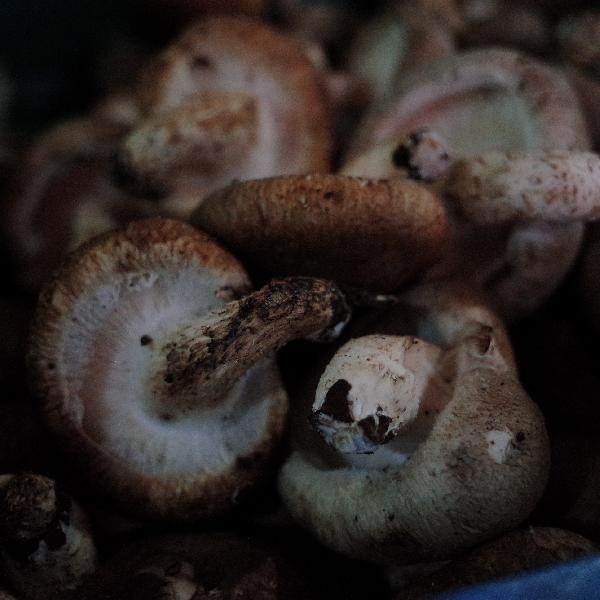
Modern artificial cultivation techniques can simulate the natural growth environment of different mushrooms based on their growth characteristics. Bag cultivation is suitable for saprophytic mushrooms, while segmental cultivation is suitable for some parasitic mushrooms. Artificial cultivation greatly improves the yield and quality stability of mushrooms. The growth position of mushrooms is directly related to their nutrient acquisition methods, and understanding the growth characteristics of different mushrooms can help with proper collection or cultivation. Special attention should be paid to identifying edible species when collecting wild mushrooms to avoid ingesting toxic mushrooms. Moderate consumption of mushrooms in daily diet can help supplement protein, vitamins, and minerals, but people with allergies should consume them with caution. When storing mushrooms, pay attention to keeping them dry and ventilated to avoid mold growth.








Comments (0)
Leave a Comment
No comments yet
Be the first to share your thoughts!