
After the fermentation of baozi noodles is completed, they usually need to be kneaded again. Kneading dough helps to eliminate excess gas, evenly distribute yeast, improve dough firmness, and make the texture of buns softer and more chewy. After fermentation, the dough is filled with carbon dioxide bubbles inside, and directly wrapping it can easily lead to loose structure or large pores in the finished product. The kneading process can reactivate the gluten network, restoring the elasticity of the dough and avoiding collapse during steaming. When kneading dough, the force should be gentle and even, and the time should be controlled within 3-5 minutes. If the dough surface becomes smooth again, stop kneading. Excessive kneading can cause gluten breakage. In rare cases, if the dough is not fully fermented or refrigerated slow fermentation is used, the kneading step can be omitted and the dough can be directly shaped. This type of dough usually does not expand significantly in volume, with fine internal pores, and excessive kneading can actually damage the formed gluten structure. However, it is important to ensure that the packaging is tightly closed to avoid any leakage of filling during steaming.
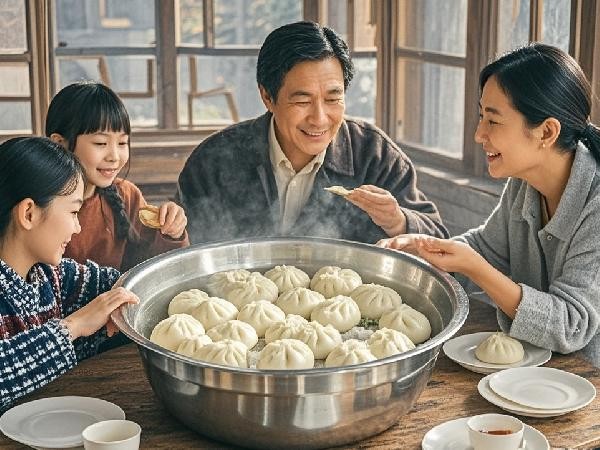
When making buns, it is recommended to adjust the fermentation time according to room temperature. It can be shortened to 30 minutes in summer and extended to 1 hour in winter. After plastic surgery, it is necessary to perform a 15 minute secondary awakening, and maintain medium heat during steaming to avoid sudden temperature changes. When using aged noodles for fermentation, a small amount of alkali can be added to neutralize the sour taste, and yeast fermented dough can be promoted by adding sugar. After steaming the buns, turn off the heat and let them simmer for 3 minutes before opening the lid, which can effectively prevent them from shrinking.
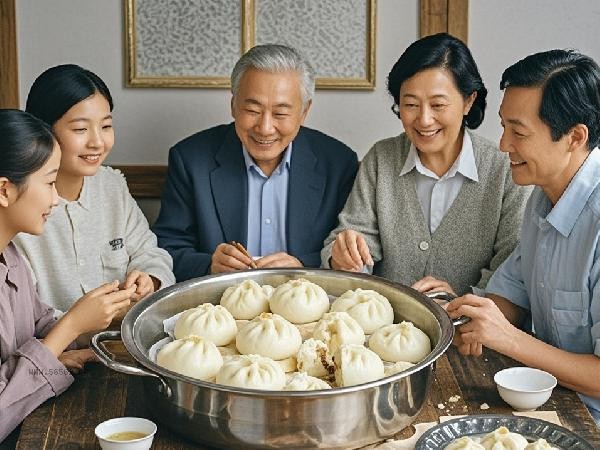
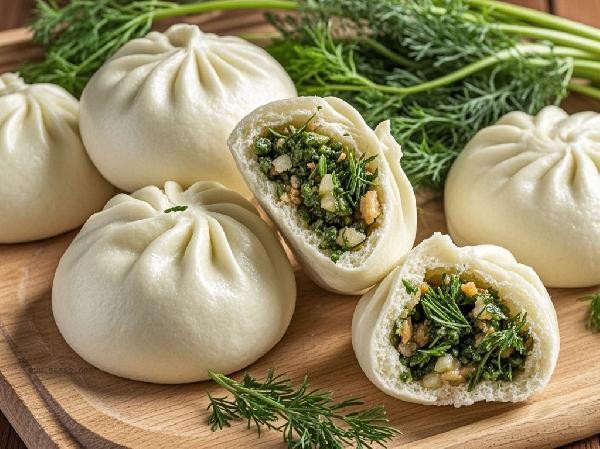








Comments (0)
Leave a Comment
No comments yet
Be the first to share your thoughts!