
The white substance on the surface of hairtail usually does not need to be deliberately removed. This is the silver fat naturally secreted by hairtail, which is rich in unsaturated fatty acids and protein. The main components of hairtail silver fat include phospholipids, DHA, EPA and other nutrients, which have the effects of reducing cholesterol and promoting brain development. Fresh hairtail silver fat can be cooked directly when it is uniformly silver white and has no odor. If it turns yellow, has increased mucus, or has a strong fishy smell, it is recommended to scrape it off. The retention of silver fat in hairtail is closely related to its freshness. The silver fat layer of fresh hairtail is tightly attached to the fish body, with a smooth and elastic touch. In this state, the silver fat is not only safe and edible, but also enhances the freshness of the dish. Unsaturated fatty acids in silver fat are prone to oxidation at high temperatures, and low-temperature slow cooking methods such as steaming and braising can better preserve nutrients. Some people who are sensitive to seafood or purchase hairtail that has been stored for a long time can use the back of a knife to gently scrape off the silver layer, but this may result in the loss of some flavor compounds.

In rare cases, it is necessary to handle hairtail silver fat. When hairtail undergoes long-term freezing or transportation leading to oxidation and deterioration of silver fat, obvious spots or mucus will appear on the surface. At this time, it is necessary to rinse with warm water and wipe it clean with kitchen paper. Some special cooking methods, such as deep frying, can cause a bitter taste in the silver fat due to high temperatures. You can soak it in light salt water in advance and gently scrape it off. Industrial fishing of hairtail may lead to an increase in silver and heavy metal content due to seawater pollution. In such cases, it is recommended to thoroughly remove the silver and heavy metal layers.
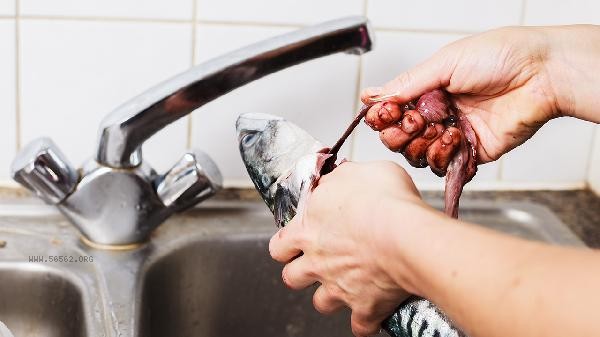
When dealing with hairtail, it is recommended to first rinse the surface with cold water, absorb the water with kitchen paper, and then observe the silver fat status. For daily consumption, it is recommended to choose cooking methods that preserve silver fat, such as steaming or braising with sauce, and pair them with ginger slices or lemon juice to remove fishy smell. Eating hairtail should not exceed three times a week, and gout patients should control their intake. When purchasing, choose hairtail with full eyeballs and bright red gills. Frozen hairtail should be thawed and checked for intact silver fat to ensure freshness and safety of the ingredients.








Comments (0)
Leave a Comment
No comments yet
Be the first to share your thoughts!