
It is usually recommended to remove the oil on the soup, as long-term intake of excessive floating oil may increase the risk of obesity and cardiovascular disease. The treatment of oil in aged soup should consider the purpose of the soup, frequency of consumption, and personal health condition.
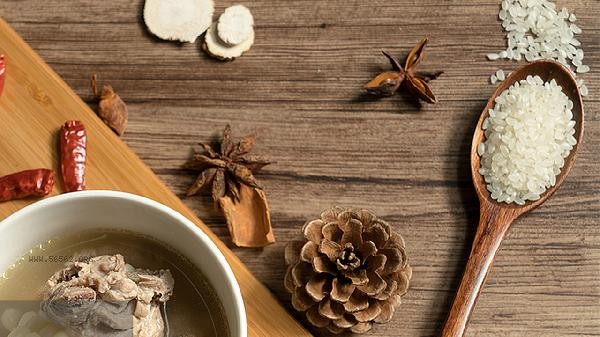
The floating oil on the surface of old soup is mainly composed of animal fat and oils released during cooking. Although it can enhance the taste, it has a high content of saturated fatty acids. When cooking meat at home, the adipose tissue is melted by heat to form a golden oil layer, which easily solidifies at room temperature. From a health perspective, individuals with high blood lipids and obesity should prioritize skim oil, while the general population should consume oily soup no more than three times a week. When skimming oil, wait for the soup to cool to room temperature. After the oil has solidified, use a strainer to easily remove it, or use a specialized oil remover to separate the oil soup.
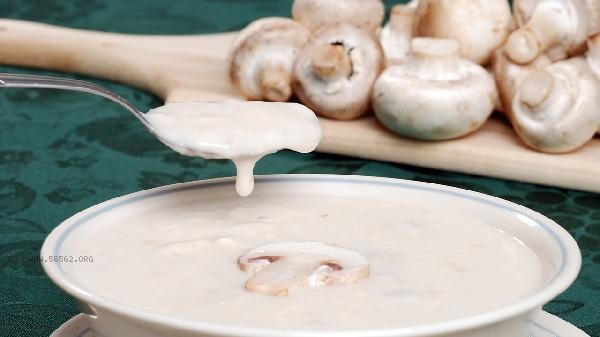
In special circumstances, some traditional cuisines such as Cantonese style soup may retain the thin oil layer to enhance flavor, but the single intake should be controlled within 200 milliliters. For patients with postoperative recovery or weak gastrointestinal function, removing oil can reduce digestive burden. If using old soup as a hot pot base, it is recommended to remove the floating oil first and then dilute it with water to avoid repeated boiling that may cause oil oxidation. Occasional consumption of aged soup that retains some oil during winter can help keep warm, but it is important to balance nutrition with vegetables that are rich in dietary fiber. In daily diet, oil absorbing paper can be used to assist in removing oil, or frozen oil can be scraped off after refrigeration. When preserving the old soup, it can be divided and frozen, and the oil should be removed as needed when using it. Suggest cooking with oil absorbing ingredients such as white radish and kelp to reduce oil intake and increase nutrition. Develop the habit of regularly monitoring blood lipids and adjust the intake ratio of animal fats in the diet based on physical examination results.








Comments (0)
Leave a Comment
No comments yet
Be the first to share your thoughts!