
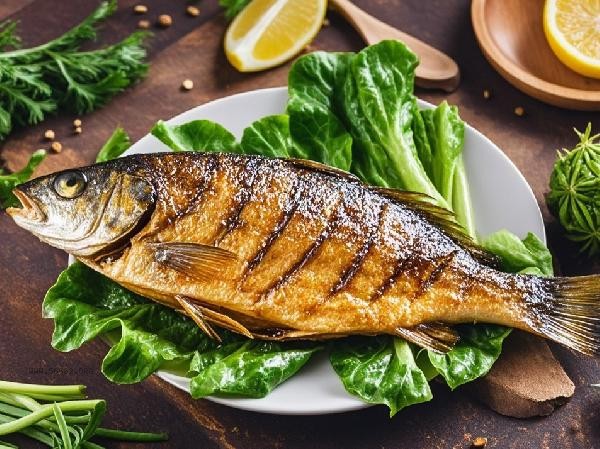
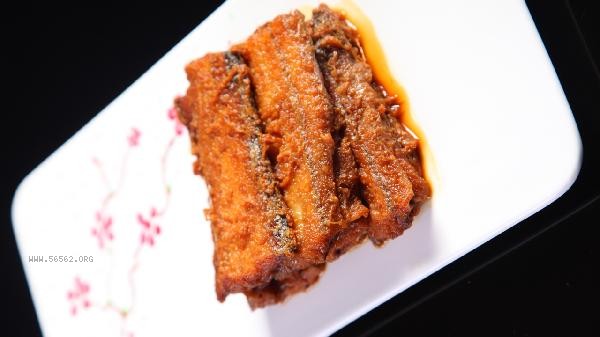
Catfish usually do not need to scrape their scales. The silver white substance on the surface of hairtail is not a traditional fish scale, but a layer of nutrient rich fat, which contains a lot of unsaturated fatty acids and phospholipids. The silver film on the surface of hairtail has high nutritional value, among which unsaturated fatty acids help reduce blood cholesterol, and lecithin has a positive effect on brain development and memory. This substance will naturally soften during the cooking process, without affecting the taste, but can actually enhance the deliciousness of fish meat. Fresh hairtail only needs simple cleaning, excessive scraping can actually lose nutrients. Some large hairtail fish may have thick silver film attached to their body surface, which can be lightly scraped off with a knife, but it is not necessary to completely remove it. In rare cases, if the silver film on the surface of the hairtail oxidizes and turns yellow or emits a strange odor after being stored for a long time, the spoiled part can be scraped off appropriately. After thawing, the silver film on frozen hairtail is easy to peel off. At this time, gently rub and wash to remove loose parts. When purchasing, choose fresh hairtail with clear eyeballs and bright red gills to avoid the trouble of handling the silver film. Traditional cooking methods in coastal areas, such as braised hairtail and dry fried hairtail, retain the silver film to lock in the freshness.

It is recommended to rinse the surface mucus of hairtail with flowing water, and absorb the water with kitchen paper before cooking. When steaming hairtail, silver film can prevent the fish from cracking, while when frying hairtail, silver film will form a crispy texture. Daily consumption of hairtail can be paired with tofu or radish to promote nutrient absorption and avoid consuming high tannic acid foods that can affect protein digestion. Special populations such as gout patients should control their intake of hairtail fish, and those with allergies should be cautious when consuming it for the first time.








Comments (0)
Leave a Comment
No comments yet
Be the first to share your thoughts!