
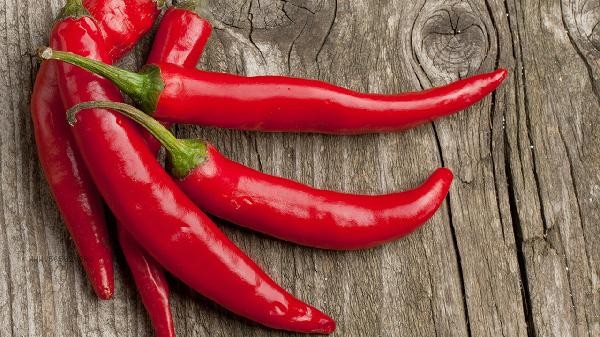
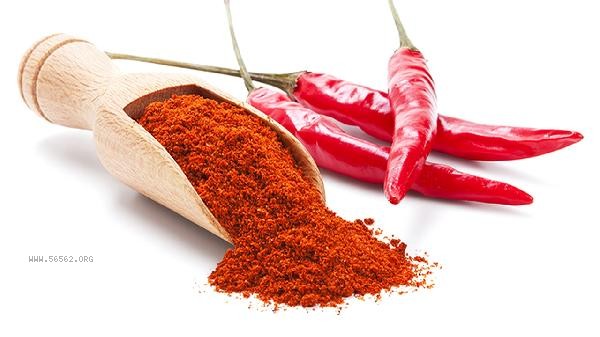
Chili peppers generally do not need to be stored in a refrigerator. For short-term storage, they can be placed directly in a cool and ventilated place. For long-term storage, refrigeration or freezing can be considered. The preservation method of chili mainly depends on the variety, maturity, and storage environment. Fresh chili peppers can be stored at room temperature for several days to a week, making them suitable for short-term consumption. Immature green peppers are more resistant to storage than red peppers, as red peppers have a high sugar content and are prone to spoilage. A ventilated and dry environment can delay the loss of moisture from chili peppers and prevent mold growth caused by moisture. Whole chili peppers have a longer shelf life than sliced ones, and incisions can easily breed bacteria. Paper bags or mesh bags are more breathable and reduce the generation of condensation water compared to plastic bags. When long-term storage is required, refrigeration or freezing can be chosen. Chili peppers can maintain freshness for 2-3 weeks at refrigerated temperatures, but some varieties may experience low-temperature frostbite leading to skin indentation. Freezing storage is suitable for making chili sauce or cooking seasonings. After thawing, the taste becomes soft but the flavor is well preserved. Marination or sun drying are traditional preservation methods that can extend storage time by several months. Vacuum packaging combined with refrigeration can further inhibit microbial growth.
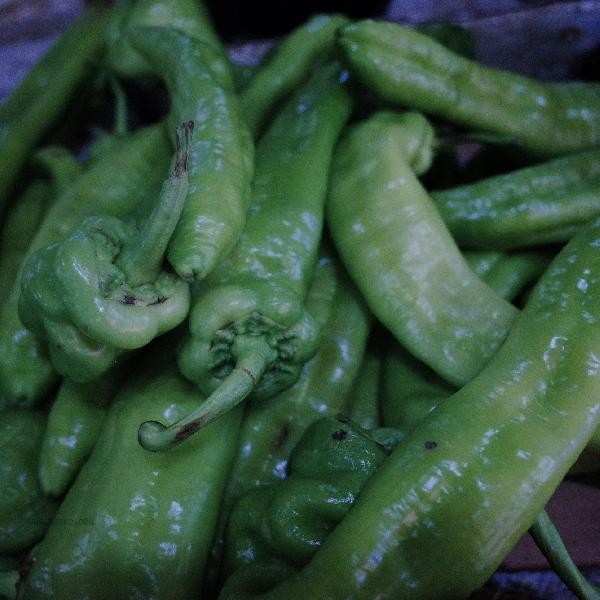
When storing chili peppers, it is important to regularly check for mold and avoid mixing them with other fruits and vegetables to prevent ripening effects. The storage tolerance of different varieties of chili peppers varies greatly, and millet peppers are usually more resistant to storage than sweet peppers. Choose a suitable storage method based on actual use, prioritize short-term storage at room temperature for fresh consumption, and consider freezing or drying for processing purposes. Maintaining a clean and dry storage environment is a key factor in extending the shelf life.








Comments (0)
Leave a Comment
No comments yet
Be the first to share your thoughts!