
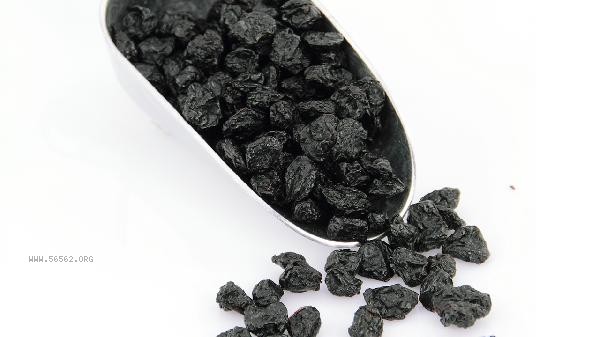
Blueberries usually float on the surface of water. Blueberries have a lower density than water and a natural wax layer on their skin, which gives them buoyancy. The flesh structure of blueberries is loose and rich in air, with high internal moisture content but overall light weight. The skin of mature blueberries forms a hydrophobic waxy layer, further reducing water infiltration and enhancing buoyancy. Fresh blueberries may have a small amount of air residue in the stem area, and their buoyancy becomes more apparent in the short term after harvesting. Some varieties, such as high bush blueberries, have better buoyancy stability than small fruit varieties due to their larger size. Overripe or rotten blueberries may experience an increase in density and sink due to structural damage to their cells. The ice crystals inside frozen blueberries can change the density of the flesh, and may appear in a semi suspended state after thawing. During the processing, blueberries that have been sugar coated or dried will sink to the bottom due to water loss, which is significantly different from the floating and sinking characteristics of fresh blueberries. Blueberries with damaged surfaces may slowly sink due to water absorption and weight gain.

When selecting blueberries in daily life, the floating and sinking status can be observed to assist in judging freshness, but it needs to be evaluated comprehensively based on fruit hardness, color, and other factors. It is recommended to keep it dry and refrigerated during storage to avoid nutrient loss caused by prolonged soaking. The buoyancy test can be used as a parent-child science popularization experiment to help understand the relationship between the physical properties and density of fruits.









Comments (0)
Leave a Comment
No comments yet
Be the first to share your thoughts!