
The skin of an apple naturally forms a layer of fruit wax, which is a self-protection mechanism of the plant. Fruit wax is mainly composed of lipid substances secreted by epidermal cells, and its main functions include reducing water evaporation, resisting bacterial invasion, and preventing mechanical damage. The wax layer of apple epidermis is composed of keratin and wax, with keratin being the main component of the cell wall and wax covering the surface of the keratin layer to form a protective film. This layer of natural fruit wax is harmless to the human body and difficult to wash off with water. It usually presents a matte texture and has a slight sticky feeling when touched by hand. Commercially grown apples may undergo manual waxing after harvesting, using natural materials such as food grade palm wax or cordyceps to extend their shelf life and enhance their appearance. This type of edible wax meets food safety standards.

In rare cases, there may be cases of illegal use of industrial wax, which can be identified by observing whether the wax layer reflects abnormally, wiping with a tissue to see if it fades, and rinsing with hot water to see if white flocculent substances are produced. Both natural fruit wax and artificial edible wax do not affect the nutritional value of apples, but it is recommended to peel them for consumption or use fruit and vegetable cleaning agents for cleaning, especially for people who are allergic to wax. Apple peel itself contains rich dietary fiber and polyphenolic substances, and consuming it with the peel after proper cleaning can provide complete nutrition.
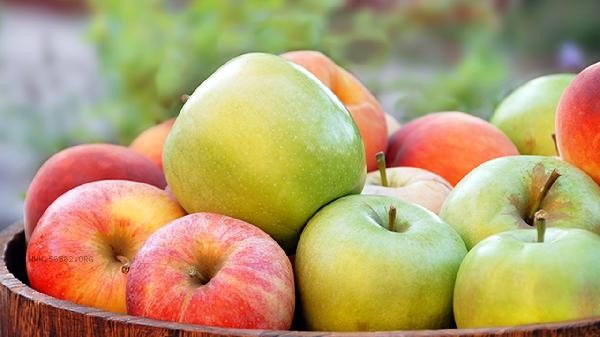
When choosing apples in daily life, it is advisable to prioritize fruits with formal certification to avoid products with obvious pungent odors or overly shiny skin. When storing, pay attention to keeping it dry and ventilated. Excessive temperature can cause the fruit wax to melt and affect the taste. For infants and young children or those with weak digestive function, apples can be steamed and consumed to soften the wax layer, which can retain nutrients and reduce gastrointestinal burden.








Comments (0)
Leave a Comment
No comments yet
Be the first to share your thoughts!