
The correct cleaning methods for crabs mainly include scrubbing the shell, removing internal organs, soaking and spitting sand, rinsing thoroughly, and handling crab claws. When cleaning crabs, attention should be paid to safety to avoid being pinched by crab claws, and to ensure thorough cleaning to remove sediment and bacteria.

1. Brushing the shell
Crab shells are prone to sediment and impurities, so they need to be carefully brushed with a hard bristled brush or toothbrush. Focus on cleaning the edges, joints, and abdomen of crab shells, as these areas are prone to hiding dirt. When brushing, the action should be gentle to avoid damaging the integrity of the crab shell. After brushing, rinse with clean water to ensure that the shell is clean and free of residue.
2. Remove internal organs
Flip the crab over and find the triangular navel cover on its abdomen. After forcefully removing it, internal organs such as crab intestines can be seen. Use scissors or fingers to completely remove the internal organs to avoid affecting the taste when consumed. The gills of some crabs also need to be removed. The gills are located on both sides of the crab shell and are gray white in color. They need to be carefully removed.
3. Soak and spit
Soak the treated crabs in clean water, and add a small amount of salt or Baijiu to help spit. The soaking time should be controlled at around half an hour, during which the water can be changed two to three times. Freshwater crabs in particular need to be thoroughly sandblasted, otherwise there will be a noticeable gritty sensation when consumed. After soaking, the crabs will be cleaner.
4. Rinse thoroughly
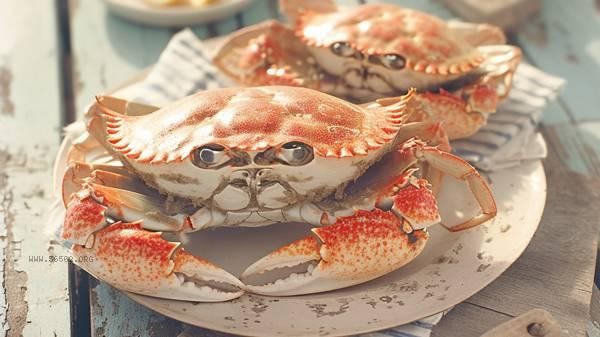
Rinse the inside and outside of the crab repeatedly with flowing water, focusing on rinsing the joint gaps and abdomen. When rinsing, gently pry open the crab shell to check for any remaining internal organs or sediment. Ensure that each crab is thoroughly rinsed until the water becomes clear. Rinsing is a crucial step in ensuring the cleanliness of crabs.
5. Handling crab claws
Crab claws need to be handled separately, and the surface and joints of the claws should be carefully cleaned with a brush. To prevent the crab claws from falling off during cooking, rubber bands or ropes can be used to secure them. You can also gently crack the crab claws for better flavor but keep them intact. Be careful when handling crab claws to avoid getting pinched.
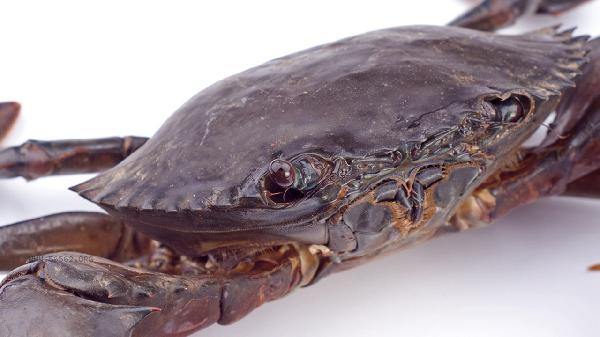
It is recommended to wear gloves to protect your hands when cleaning crabs, and use specialized tools for safer and more efficient cleaning. Live crabs should be processed before cooking to avoid prolonged storage that may affect their freshness. The cleaned crabs can be cooked immediately or briefly refrigerated, and should not be soaked for a long time. The correct cleaning method can preserve the deliciousness of crabs to the maximum extent while ensuring food safety. Eating crabs in moderation and pairing them with ginger vinegar and other seasonings can help neutralize coldness, especially for those with weaker gastrointestinal function.






Comments (0)
Leave a Comment
No comments yet
Be the first to share your thoughts!