
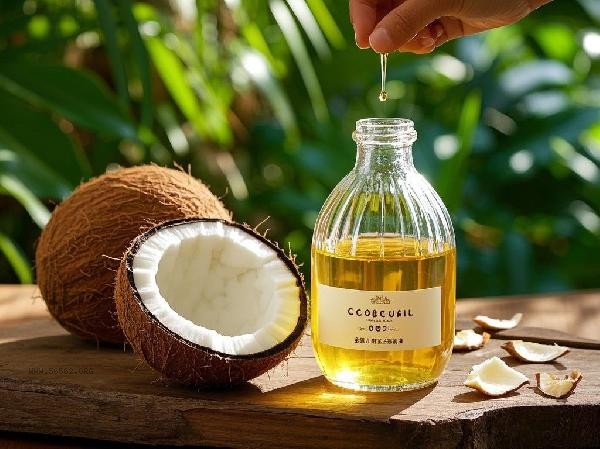
Coconut oil can assist in weight loss by replacing daily cooking oil in moderation, pairing it with a low-carbon water diet, controlling daily intake, choosing cold pressed unrefined products, and avoiding prolonged cooking at high temperatures. The medium chain fatty acids in coconut oil may help promote energy metabolism, but attention should be paid to total calorie control.
1. Substitute edible oil
Replace some long-chain fatty acid edible oils such as soybean oil or peanut oil with coconut oil, and it is recommended to replace 10-15 grams per day. The medium chain triglycerides in coconut oil are rapidly broken down into ketone bodies in the liver, which may reduce fat accumulation. However, it should be noted that complete substitution may affect the absorption of fat soluble vitamins, and it is recommended to use it alternately with flaxseed oil, etc.
2. Combining coconut oil with low carbohydrate foods such as broccoli and chicken breast can prolong satiety. The metabolic pathway of medium chain fatty acids is different from that of regular fats, and may help maintain blood sugar stability in a ketogenic diet. It is necessary to avoid consuming refined carbohydrates together to prevent excessive calories from offsetting the weight loss effect.
3. Control intake
The recommended daily intake is no more than 30 grams, about 2 tablespoons. Overconsumption can still lead to excess calories, with 1 gram of coconut oil containing 9 calories, the same as regular fats. It can be added in batches to bulletproof coffee or salad to avoid concentrated intake that may irritate the gastrointestinal tract.
4. Choose cold pressed products.
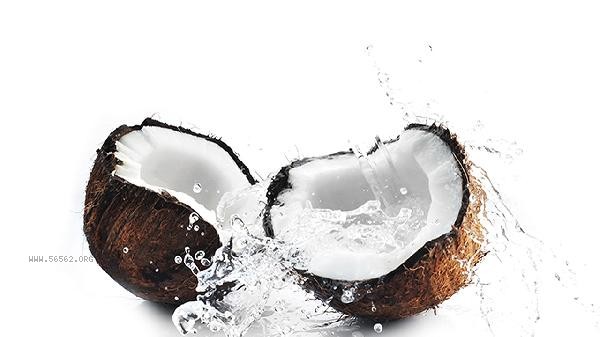
Prioritize using cold pressed virgin coconut oil to retain more active ingredients such as lauric acid. Refined coconut oil undergoes decolorization and deodorization treatment, resulting in the loss of some nutrients. The melting point of unrefined products is 24-26 ℃. They are milky white in solid state and transparent without impurities in liquid state.
5. Low temperature cooking
Coconut oil fume point is about 177 ℃, suitable for cold mixing, low-temperature quick stir frying or steaming. Long term high-temperature frying can produce harmful substances such as acrylamide, which can damage the structure of medium chain fatty acids. Adding 5 grams of coconut oil when making overnight oats can enhance flavor and avoid heat loss.
During weight loss with coconut oil, it is necessary to monitor weight changes and combine it with 30 minutes of aerobic exercise daily for better results. When diarrhea or high cholesterol occurs, the drug should be stopped. Patients with diabetes need to consult a nutritionist to adjust their diet. It is recommended to measure waist circumference every week and record changes in body fat. Relying solely on coconut oil cannot achieve the desired weight loss effect, and a balanced diet structure needs to be established.








Comments (0)
Leave a Comment
No comments yet
Be the first to share your thoughts!