
Chili can be peeled using clever methods such as freezing, roasting, boiling, salt rubbing, and peeling.
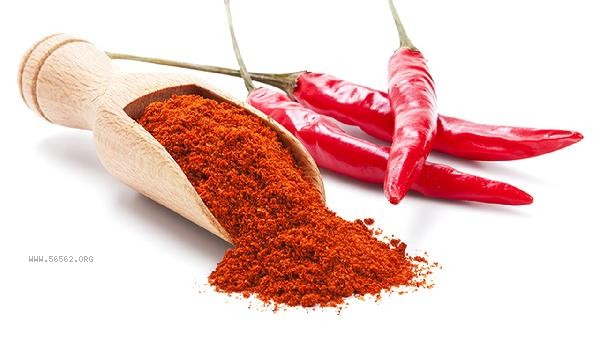
1. Freezing method
Place fresh chili peppers in the freezer compartment of the refrigerator and freeze for about two hours. After the surface of the chili peppers forms frost, remove them and let them cool back to room temperature. Freezing causes water crystals to crystallize and expand between the skin and flesh of chili peppers, disrupting the connecting structure. At this point, gently tearing with your hand can completely peel off the outer skin. The freezing method can maximize the preservation of the spicy flavor and nutritional components of chili peppers, making it suitable for cooking needs that require maintaining taste. When operating, be careful to avoid freezing for too long, which may cause the chili peppers to completely freeze and harden, affecting the efficiency of subsequent processing.
2. Fire roasting method
Use an open flame or spray gun to quickly burn the surface of chili peppers until the skin wrinkles and turns black, and immediately immerse them in ice water to cool. The principle of thermal expansion and contraction separates the burnt skin from the flesh, and the carbonized part can be removed by rinsing with running water. This method can give chili peppers a special smoky flavor, suitable for making barbecue dishes. During operation, it is necessary to control the heat to avoid excessive burning that affects the texture of the fruit pulp. At the same time, attention should be paid to ventilation to avoid inhaling irritating smoke.
3. Boiling Method
Put the chili peppers in boiling water with a little white vinegar and blanch for 30 seconds. After removing, quickly supercool them. High temperature softens the epidermal stratum corneum, and acetic acid helps to decompose pectin substances. After cooling, it can easily peel off the outer skin. This method has high efficiency and good safety in peeling, and is suitable for people such as the elderly and children who are intolerant to spicy stimuli. It should be noted that the blanching time should not exceed 1 minute, otherwise it may cause the chili peppers to become too ripe and lose their crispy and tender texture.
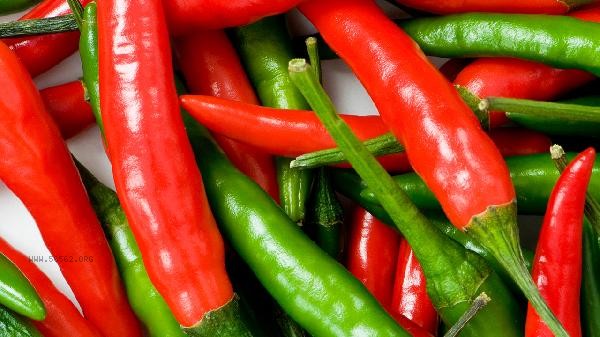
4. Salt Rubbing Method
Apply coarse salt particles evenly on the surface of chili peppers, and rub them repeatedly with both hands to make the salt particles rub against the skin. The crystal edges of salt can mechanically damage the wax layer of the epidermis, while osmotic pressure promotes cell dehydration and separation. Rinse the processed chili peppers with clean water to remove the skin and residual salt. This method does not require heating equipment and is suitable for emergency use during outdoor cooking, but it is time-consuming, labor-intensive, and may damage the fruit pulp.
5. Peeling Method
Use a sharp peeling knife to thin peel along the curvature of the chili pepper surface, directly removing the outer layer of skin. This method can accurately control the thickness of peeling, retain more fruit pulp, and is suitable for fine cuisine with high requirements for finished product morphology. When operating, it is necessary to keep the tool and chili at a constant speed at a 15 degree angle to avoid cutting off the chili or injuring fingers. It is recommended to use a specialized vegetable peeler with a narrow blade to improve safety.
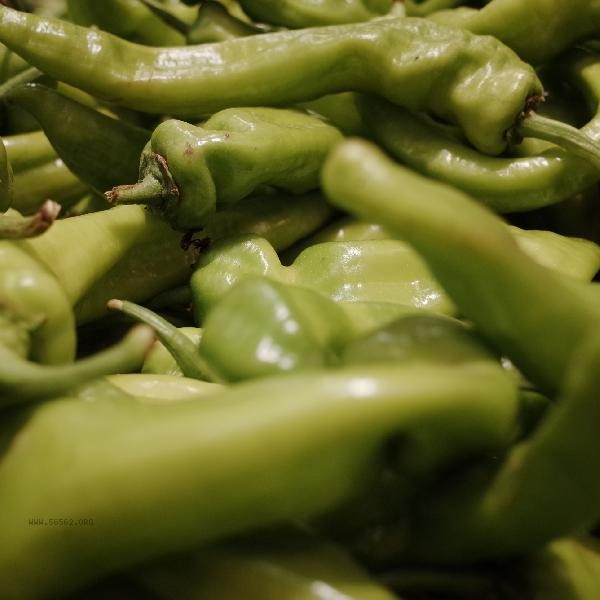
It is recommended to cook and consume chili peppers as soon as possible after peeling to avoid nutrient loss. The thickness of the skin of different varieties of chili peppers varies greatly. Thick skinned varieties such as bell peppers are suitable for freezing or peeling, while thin skinned varieties such as millet peppers can be cooked with salt or water. When handling large amounts of chili peppers, disposable gloves can be worn to prevent skin irritation from capsaicin. Do not rub your eyes and nose after contact with chili peppers. Peeled chili peppers can be refrigerated and stored for three days. If long-term storage is required, it is recommended to make chili sauce or dry it. Moderate consumption of chili peppers in daily diet can help promote blood circulation, but those with weak gastrointestinal function should control their intake.








Comments (0)
Leave a Comment
No comments yet
Be the first to share your thoughts!