
It is generally not recommended to continue consuming rice with mouse droppings inside. Mouse droppings may carry multiple pathogens and pose a food safety risk. It is recommended to discard contaminated rice.
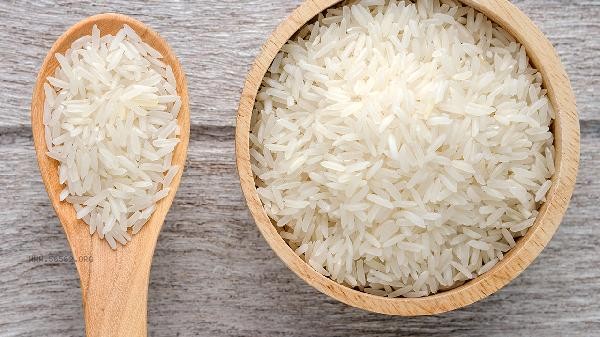
Mouse feces may contain pathogenic bacteria, parasite eggs, or viruses such as Salmonella, Hantavirus, etc. These pathogens can enter the human body by contaminating rice, causing gastroenteritis, food poisoning, and even more serious infectious diseases. There may be cross contamination of excrement in the mouse activity area, and even if only a small amount of mouse feces is visible to the naked eye, the surrounding rice grains may still be contaminated. Although high-temperature cooking can kill some microorganisms, it cannot completely eliminate the risk of toxins or parasites, especially for people with lower immunity. If rice is stored in a damp environment or stored for a long time, mouse droppings may cause mold growth and produce harmful substances such as aflatoxins. Conventional cleaning and cooking cannot decompose these toxins. It is common for a small amount of mouse feces to contaminate the entire bag of rice, as mice are accustomed to excreting during foraging and the feces may break and seep into the gaps between rice grains. If it is necessary to consume in special circumstances, visible pollutants must be thoroughly removed, and after repeated washing and high-temperature steaming, there are still potential health hazards.
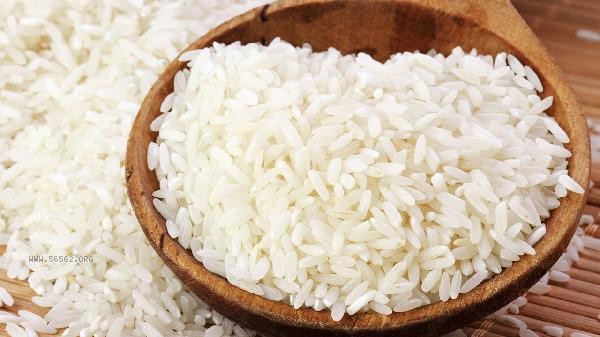
Rice should be stored in a sealed container in a dry and ventilated place for daily use, and regularly checked for insect infestation or contamination. When purchasing, choose packaged rice from legitimate channels to avoid long-term storage of loose rice. If symptoms such as abdominal pain and diarrhea occur after ingesting contaminated rice, seek medical attention promptly. It is more important to pay attention to kitchen hygiene management, timely clean up food residues and garbage, reduce the breeding environment for rodents, and prevent pollution from the source.








Comments (0)
Leave a Comment
No comments yet
Be the first to share your thoughts!