
If lotus root soup turns black without any odor or mold, it can generally be consumed. The color change is often caused by oxidation or iron pot reaction. Lotus roots contain polyphenolic substances that are prone to oxidation and blackening when exposed to air. Iron ions in iron pots can also form black substances when combined with tannic acid, but these two situations do not affect safety. During the cooking process, the cell structure of lotus root is disrupted, and the polyphenol oxidase in it catalyzes the oxidation of phenolic substances upon contact with oxygen, resulting in the formation of brown polymers and darkening of the soup color. When stewed in an iron pot, tannic acid in lotus roots reacts with iron ions to form a blue black precipitate, which darkens the color of the soup. These two chemical reactions are normal phenomena and do not produce harmful substances, only affecting visual perception. If you want to reduce discoloration, you can apply a small amount of white vinegar or lemon juice on the surface of the cut lotus root and stew it in a clay pot or stainless steel pot instead of an iron pot. If lotus roots have obvious sour and rotten taste, sticky or moldy spots, it may be caused by improper storage and the growth of microorganisms, leading to spoilage and deterioration. Lotus roots are prone to fungal contamination in high temperature environments during summer, especially when the moisture content at the incision site is high, which can lead to the growth of miscellaneous bacteria. When the lotus root tissue softens, black green mold spots appear on the cross section, or emits a strange odor, it indicates that a qualitative change has occurred. At this time, consumption should be stopped to avoid gastrointestinal discomfort. When storing in daily life, the surface soil of lotus roots can be dried first, wrapped in plastic wrap, and then refrigerated for preservation. After cutting, they should be soaked in water and refrigerated before consumption as soon as possible.
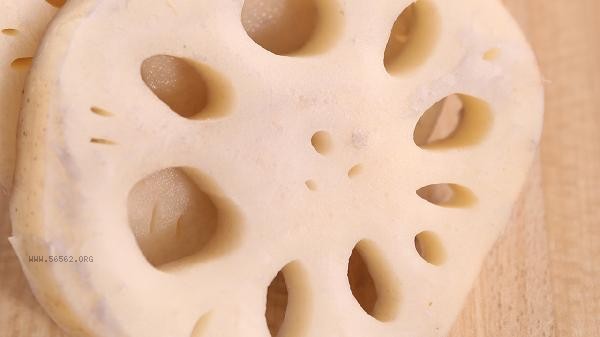
It is recommended to soak the peeled lotus roots in light salt water before cooking to slow down oxidation. Adding ingredients such as red dates and goji berries when cooking can improve the color of the soup and enhance its nutritional value. Lotus root is rich in dietary fiber and vitamin C. It can be stewed with pork ribs, peanuts, and other ingredients to make a refreshing and nourishing soup. It is important to note that people with weak or cold constitution should not consume it excessively. If you have doubts about the quality of lotus root, you can make a comprehensive judgment by observing the texture, aroma, and clarity of the soup. When abnormalities occur, be cautious when consuming.








Comments (0)
Leave a Comment
No comments yet
Be the first to share your thoughts!