
Drinking Congee every day usually can not achieve the effect of scientific weight loss. Congee food has low caloric density and short satiety, long-term single consumption may lead to nutritional imbalance and metabolic rate decline.
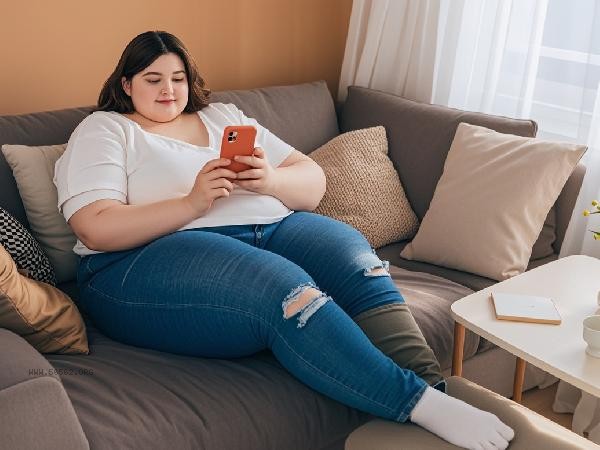
The main component of Congee is carbohydrate, which can be digested and absorbed quickly, so it is easy to feel hungry again in a short time, which may promote the intake of more high calorie snacks. White rice Congee has a high glycemic index. Frequent consumption will cause blood sugar fluctuations, stimulate insulin secretion, and promote fat accumulation. Taking Congee as the staple food for a long time may lead to insufficient protein intake, muscle loss, lower basic metabolic rate, and obesity prone constitution.

Some people choose coarse grain Congee instead of white porridge. Although the dietary fiber content has increased, there is still insufficient protein and healthy fat. The complete dependence on Congee during weight loss may lead to dizziness, fatigue, hair loss and other malnutrition symptoms. Some special Congee products, such as Century egg lean meat Congee and seafood Congee, may cause edema and false weight increase due to the addition of high sodium ingredients.
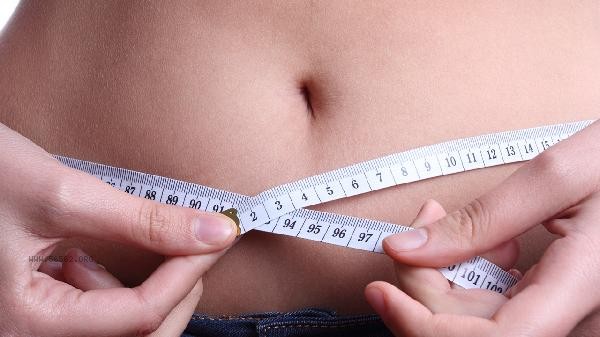
Weight loss needs to control total calorie intake and ensure balanced nutrition. It is recommended to take Congee as a part of staple food, with high-quality protein such as eggs, fish and sufficient vegetables. Coarse grains such as oats and quinoa can be used to cook Congee to increase dietary fiber, and low-fat proteins such as chicken breast and shrimp can be properly added. When developing a personalized diet plan, it is recommended to consult a clinical nutritionist for professional guidance and moderate exercise to achieve healthy weight loss.








Comments (0)
Leave a Comment
No comments yet
Be the first to share your thoughts!