
The bean dregs after beating soybean milk are edible and rich in dietary fiber and protein. Soybean residue is the solid residue left after filtration during the production of soybean milk. It has high nutritional value and can be used to produce a variety of foods.
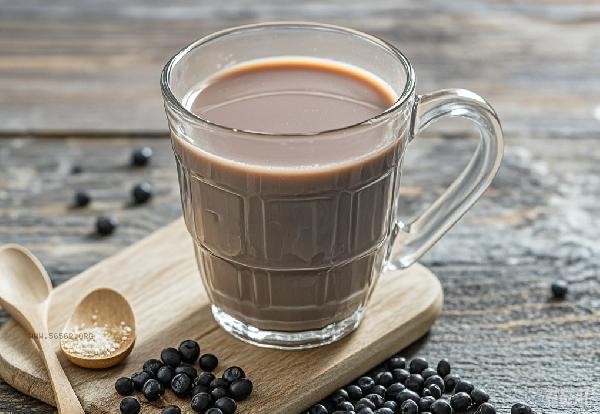
Bean dregs are rich in dietary fiber, which helps promote gastrointestinal peristalsis, aid digestion, and prevent constipation. The protein content in soybean residue is also relatively high and can be used as one of the sources of plant protein. Bean dregs also contain minerals such as calcium and iron, which are helpful for bone health and blood circulation. The bean dregs can be used to make bean dregs cake, bean dregs Mantou, bean dregs stir fried vegetables and other foods to increase the nutritional value and taste of food. There are various ways to consume soybean residue, and it can be cooked according to personal taste. Although soybean residue is rich in nutrients, its taste is relatively rough, and some people may not be accustomed to it. The dietary fiber content in soybean residue is relatively high, and excessive consumption may cause gastrointestinal discomfort, such as bloating or indigestion. Bean dregs are prone to spoilage during storage, and it is recommended to consume them as soon as possible or store them properly. People who are allergic to legumes should avoid consuming soybean residue to prevent allergic reactions. When cooking tofu residue, it is important to pay attention to pairing it with other ingredients to avoid a single nutrient or poor taste.
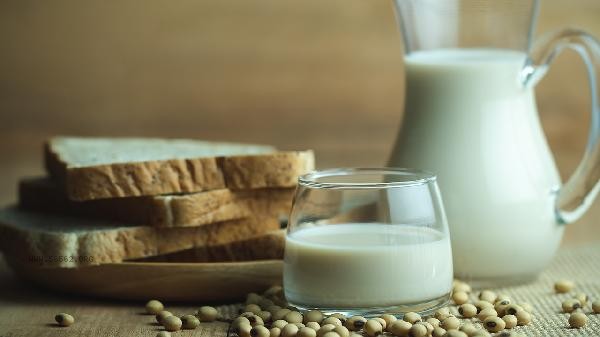
Bean dregs are a nutrient rich food that can supplement the body with dietary fiber and protein when consumed in moderation. Suggest cooking soybean residue with other ingredients to enhance taste and nutritional balance. When storing soybean residue, attention should be paid to preservation to avoid spoilage. People who are allergic to legumes or have weak gastrointestinal function should consume with caution. Reasonable utilization of soybean residue can reduce food waste and increase dietary diversity.








Comments (0)
Leave a Comment
No comments yet
Be the first to share your thoughts!