
The soybeans can be boiled first and then beaten with soybean milk, but it will affect the taste and nutrition retention. Directly beating raw soybeans can retain more active ingredients, while beating them after cooking can reduce anti nutritional factors but may lead to protein denaturation.
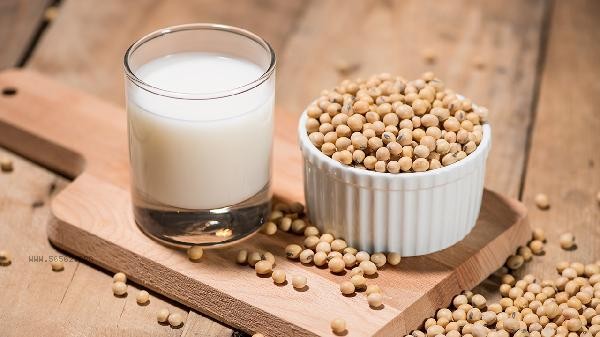
The direct beating of soybeans is a traditional method of making soybean milk. The lipoxygenase in raw soybeans will be released during the crushing process, producing a beany smell, but it can retain more water-soluble vitamins and plant active substances. Raw bean pulp needs to be thoroughly boiled to break down anti nutritional factors such as trypsin inhibitors, otherwise it may affect protein absorption. insufficient boiling time of raw soybean milk may cause abdominal distention and diarrhea, so it is necessary to keep boiling for at least 5 minutes to ensure safety. Boiling soybeans and then beating them can eliminate most of the anti nutritional factors in advance and reduce the subsequent boiling time, but prolonged heating at high temperatures can lead to the loss of some B vitamins. The precooking process may partially denature the protein and affect the emulsification stability of the final product, and soybean milk is prone to delamination. The precooked soybean milk has a more dense taste and a lighter beany smell, which is suitable for people who are sensitive to smell, but the antioxidant content may be reduced.
If precooked soybeans are selected when making soybean milk, it is recommended to control the cooking time within 15 minutes to reduce nutrient loss. Regardless of the method used, it is necessary to boil thoroughly after pulping to ensure safe drinking. Daily consumption can be alternated between two methods, and pairing with nuts or grains can improve protein utilization. People with gastrointestinal sensitivity are more suitable for pre cooking, while those who pursue maximum nutrition can choose the traditional method of grinding raw beans. Pay attention to pairing with foods rich in vitamin C to promote iron absorption.








Comments (0)
Leave a Comment
No comments yet
Be the first to share your thoughts!