
If there is no mold or odor after yellow millet turns white, it can generally be consumed. The whitening of yellow millet may be caused by prolonged storage time or moisture. If the texture remains unchanged and there is no abnormal odor, it usually does not affect food safety. If there are lumps, mold spots, or a sour smell, it is not recommended to continue consuming.
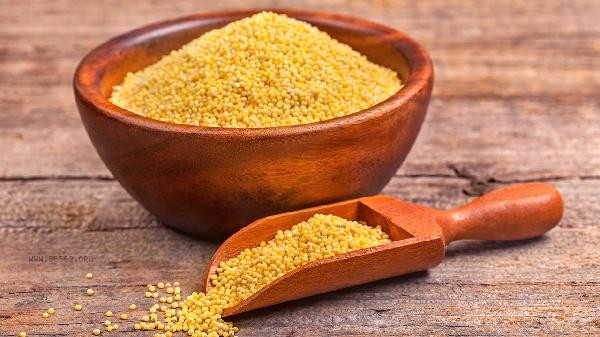
Yellow millet may become lighter in color during storage due to oxidation or moisture loss, and this natural change usually does not produce harmful substances. During inspection, it is necessary to observe whether the rice grains remain dry and loose, and whether they smell like grains. You can use a small amount of washing test first. If the water is not significantly turbid and the rice grains are not softened, it can be cooked normally. It is recommended to store the white yellow millet in a cool and dry place and avoid contact with damp environments. If green or black mold spots appear on the surface of yellow millet or there is a sticky feeling when touched, it indicates the growth of harmful microorganisms such as aspergillus flavus. Moldy grains may produce strong carcinogens such as aflatoxin, which cannot be decomposed even when cooked at high temperatures. After ingestion, it may cause acute poisoning symptoms such as nausea, vomiting, abdominal pain, and diarrhea. Long term intake can increase the risk of liver cancer. If mold is found, it should be discarded immediately and the moldy part should not be removed before consuming the remaining part.
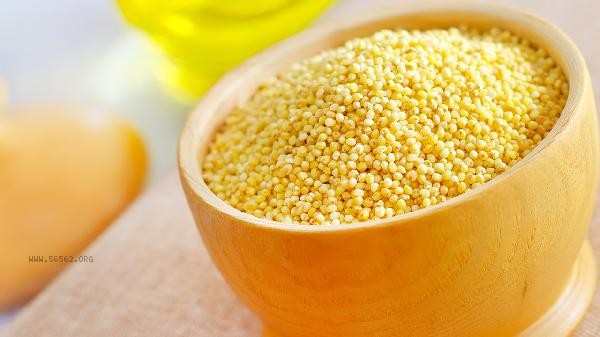
It is recommended to use vacuum sealed cans or add moisture-proof agents for daily storage of grains. After opening, try to consume them within 3 months. Before cooking, pay attention to the condition of the rice grains and discard moldy food. Reasonably control the single purchase quantity and prioritize the selection of small packaging products to reduce storage risks. If you experience discomfort after consuming white yellow millet, you should seek medical attention promptly and bring the remaining samples for testing.








Comments (0)
Leave a Comment
No comments yet
Be the first to share your thoughts!