
Millet that turns white after cooking can generally continue to be consumed, and the color change is often related to starch precipitation or variety characteristics. If accompanied by abnormal conditions such as odor and mold, it is not recommended to consume. After cooking, white substances may appear on the surface of millet, which is usually a normal phenomenon after starch gelatinization. The outer layer of Xiaomi contains a large amount of linear starch. When cooked at high temperatures, the starch particles absorb water, expand and break, and some starch dissolves into water to form a milky white suspension. Due to differences in starch content, the degree of color change after cooking varies among different varieties of millet. Japonica millet from Northeast China is more prone to obvious whitening. This starch precipitation will not affect the nutritional value, and the protein, B vitamins, and minerals in millet can still be absorbed and utilized by the human body. Improper storage or dampness of millet may cause abnormal whitening after cooking due to mold growth, and may also produce a crackling or moldy taste. Moldy millet may breed harmful microorganisms such as Aspergillus flavus, producing toxins that are harmful to health. When purchasing, choose products with dry and intact granules, free from insect infestation and mold. After opening, seal and store in a cool place. Before cooking, the millet can be washed 2-3 times. If the washing water remains turbid and sticky, or if there are green and black mold spots on the rice grains, the entire batch should be discarded. For people with weak digestive function, the cooked millet porridge can be filtered out of the surface starch paste before eating.
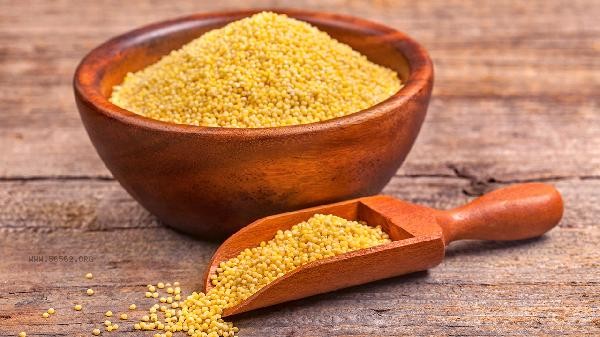
For daily consumption of millet, it is recommended to choose fresh and high-quality ingredients, ensure sufficient boiling when cooking, and pair with pumpkin, red dates and other ingredients to enhance nutritional value. If there is doubt about the storage status of grains, comprehensive judgment can be made by observing the odor, texture, etc., to avoid consuming potentially spoiled food. Reasonably preserved millet, even if its color changes after cooking, can still be used as high-quality coarse grains to supplement dietary fiber and trace elements.








Comments (0)
Leave a Comment
No comments yet
Be the first to share your thoughts!