
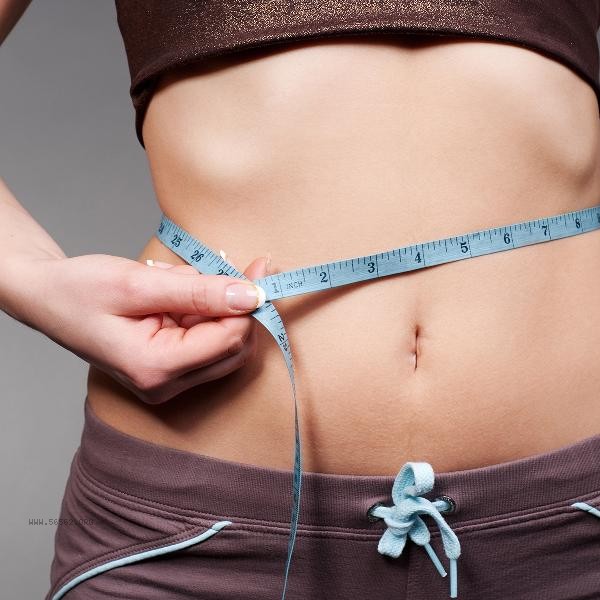
Women who donate blood cannot lose weight. Blood donation is a medical activity rather than a weight loss method, and its short-term calorie expenditure and weight loss mainly stem from fluid loss rather than fat metabolism. The fluid lost during the blood donation process will be restored within 24-48 hours through drinking water. The water content of plasma components in the blood is high, and the decrease in the weight displayed after blood donation is actually caused by a decrease in water content. The consumption of body fat needs to be achieved through a continuous calorie deficit, where daily calorie intake is lower than calorie expenditure. A single blood donation of 200-400 milliliters only consumes about 100-200 calories, equivalent to 20 minutes of jogging calories, and this consumption is a one-time behavior that cannot form a sustained weight loss effect. Blood donation institutions prohibit blood donation activities aimed at weight loss, as frequent blood donation may lead to health risks such as iron deficiency anemia and weakened immunity. If women need to lose weight scientifically, they should create a calorie deficit through a reasonable diet and regular exercise, and maintain a daily calorie difference of 300-500 calories, which is relatively safe. The dietary structure should include high-quality protein such as chicken breast and eggs, low glycemic index staple foods such as oats and brown rice, and sufficient dark vegetables. It is recommended to engage in aerobic exercise such as brisk walking and swimming every week, combined with impedance training to enhance muscle mass. People with high body fat percentage can try intermittent fasting, but should avoid the menstrual period. The basal metabolic rate during the luteal phase of the menstrual cycle may slightly increase, and exercise intensity can be appropriately increased, but weight loss should never be achieved through blood loss. Within 24 hours after donating blood, avoid vigorous exercise and supplement with iron rich animal liver, red meat, and vitamin C to promote hematopoiesis. During weight loss, it is necessary to monitor hemoglobin levels. If symptoms of anemia such as dizziness and fatigue occur, seek medical attention promptly. Any claim of blood donation for weight loss lacks medical basis, and women's menstrual cycle itself leads to iron loss, so it is even more important to avoid improper blood donation behavior.










Comments (0)
Leave a Comment
No comments yet
Be the first to share your thoughts!