
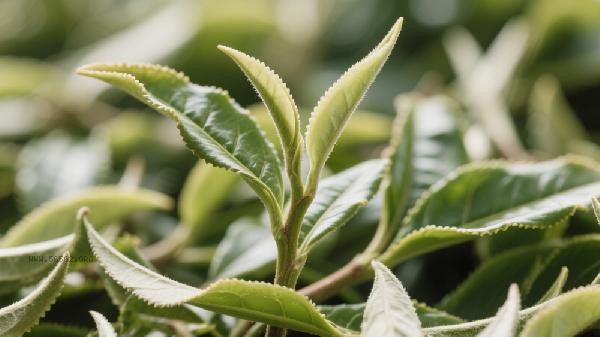
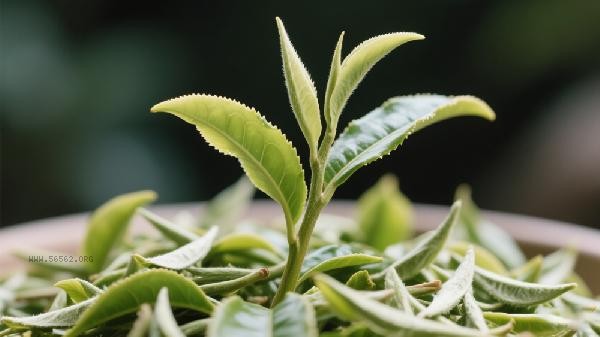
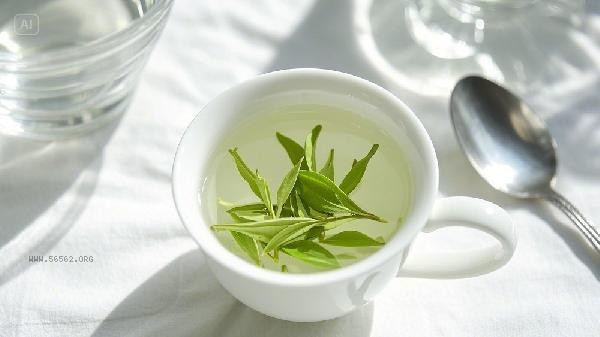
White tea and milk can be mixed together for drinking, but it may affect the taste of white tea and the absorption of some nutrients. The tea polyphenols in white tea may bind with proteins in milk, reducing antioxidant activity but not producing harmful substances. After mixing white tea with milk, tea polyphenols will combine with casein in milk to form a complex, which may weaken the antioxidant activity and refreshing taste of white tea itself. From a nutritional perspective, this combination does not lead to toxicity or health risks, but may affect the bioavailability of polyphenolic substances in white tea. The addition of milk will change the refreshing characteristics of tea soup, forming a flavor similar to milk tea, suitable for people who prefer a mellow taste. If pursuing the original health benefits of white tea, it is recommended to drink it alone; If you pay attention to the balance of taste, you can add milk in moderation. In special circumstances, people with gastrointestinal sensitivity may experience slight bloating when drinking mixed tea polyphenols, as the digestion rate slows down after binding with proteins. People with lactose intolerance should be aware that milk may cause discomfort, and it is recommended to drink it separately in such cases. White tea has a cool nature, and long-term consumption of mixed liquor may worsen the feeling of coldness for those with weak and cold constitution. It can be balanced with ginger as an isothermal ingredient. When mixing white tea with milk for drinking, it is recommended to control the amount of milk added to no more than one-third of the volume of the tea soup to avoid completely masking the tea aroma. Prioritize using whole milk to improve smoothness, but pay attention to calorie intake. Observe gastrointestinal reactions after drinking, and sensitive individuals should wait for half an hour before consuming other protein foods. White tea should be brewed with warm water at 80-85 ℃ to retain its active ingredients, while milk should be heated to below 60 ℃ to prevent nutritional damage. Special constitution or medication should be consulted with a physician to avoid affecting drug absorption or causing discomfort.








Comments (0)
Leave a Comment
No comments yet
Be the first to share your thoughts!