
Whey protein may help with weight loss, but it needs to be combined with dietary control and exercise to achieve the desired effect. The main functions of whey protein include increasing satiety, promoting muscle synthesis, and reducing fat accumulation. Whey protein is a high-quality protein extracted from milk, containing abundant essential amino acids that can be quickly absorbed and utilized by the human body. Moderate intake of whey protein can increase satiety and reduce the intake of other high calorie foods, thereby helping to control total calories. Whey protein can also promote muscle synthesis, increase basal metabolic rate, and help the body burn more calories. In addition, components such as leucine in whey protein can inhibit fat synthesis and promote fat breakdown. Relying solely on whey protein cannot achieve weight loss results, and it must be accompanied by a reasonable diet and regular exercise. Excessive intake of whey protein may lead to excessive calorie intake, which in turn affects weight loss effectiveness. Some individuals may experience lactose intolerance or allergic reactions, and it is recommended to use it under the guidance of a professional. Whey protein is more suitable as a supplement to a healthy diet rather than the main means of weight loss.
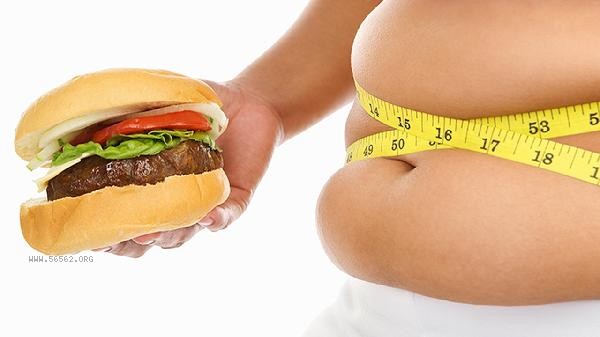
If you want to use whey protein to assist in weight loss, it is recommended to choose products without added sugar, control the daily intake at 20-30 grams, and take 2-3 times. It is best to supplement within 30 minutes after exercise to promote muscle recovery. At the same time, it is important to maintain a balanced diet, eat more vegetables, fruits, and whole grains, ensure adequate sleep, and combine aerobic exercise with strength training. If gastrointestinal discomfort or other adverse reactions occur, stop using immediately and consult a doctor.










Comments (0)
Leave a Comment
No comments yet
Be the first to share your thoughts!