
Losing weight usually helps to lower blood pressure, especially for overweight or obese hypertensive patients. After weight loss, the burden on the heart decreases, vascular pressure decreases, and blood pressure may decrease accordingly. Overweight or obesity is one of the important risk factors for hypertension. Excessive fat tissue in the body can increase blood circulation, requiring the heart to pump blood harder and increasing the pressure on the blood vessel walls. When weight loss occurs, the systemic blood circulation decreases, the cardiac load decreases, vascular pressure decreases, and blood pressure may naturally decrease. In addition, the process of weight loss is often accompanied by adjustments in diet structure and increased exercise, and these healthy lifestyle changes also help improve vascular elasticity and function, further helping to control blood pressure. For some patients with secondary hypertension, simple weight loss may not be able to fully control blood pressure. This type of hypertension is usually caused by kidney disease, endocrine disorders, or other clear causes, and requires treatment for the primary disease. Even with weight loss, blood pressure may still remain at a high level. In addition, patients with primary hypertension caused by genetic factors may have limited improvement in blood pressure after weight loss and still need to be treated with medication.
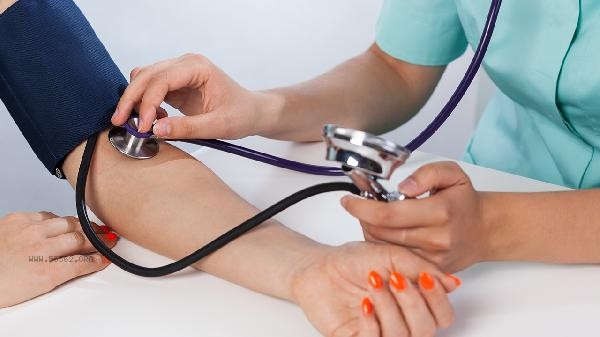
It is recommended that hypertensive patients develop a scientific weight loss plan under the guidance of a doctor to avoid discomfort caused by rapid weight loss. Reasonably control daily calorie intake, increase the proportion of vegetables, fruits, and whole grains, and reduce high salt and high-fat foods. Engage in moderate aerobic exercise every week, such as brisk walking, swimming, etc. Regularly monitor blood pressure changes. If blood pressure continues to rise or symptoms such as dizziness occur, seek medical attention promptly to adjust treatment plans. Maintaining a regular schedule and a positive mindset can also help with blood pressure control.










Comments (0)
Leave a Comment
No comments yet
Be the first to share your thoughts!