
The section behind the snail is usually not recommended for consumption. The tail of snails is a concentrated area of internal organs and digestive organs, which may contain sediment, parasites, or metabolic waste, posing health risks when consumed.
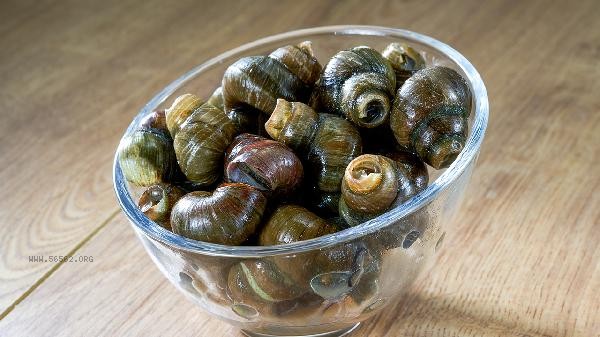
The tail structure of snails is complex, making it easy to hide sediment and bacteria. Even high-temperature cooking may not completely remove pollutants. This area may also accumulate harmful substances such as heavy metals in the water, and long-term intake may cause burden on the gastrointestinal and liver. Some people may experience discomfort such as abdominal pain and diarrhea after consuming it, and those with allergies are at a higher risk.
In some areas, there is a dietary habit of consuming the tail of snails, but special treatment is required. Rinse repeatedly with clean water and cut off the tip of the tail, then stir fry with a large amount of antibacterial seasonings such as ginger and garlic. Nevertheless, it is still recommended to control the amount consumed, and children, pregnant women, and those with weakened immunity should completely avoid it. The tail of snails with poor freshness is more prone to breeding pathogenic bacteria and needs to be completely discarded.
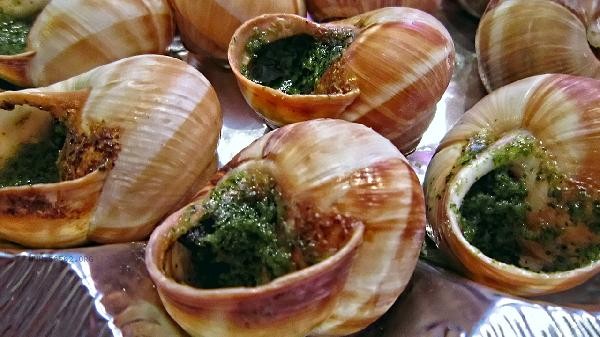
It is recommended to choose fresh snails, soak them in salt water before cooking to encourage them to spit sand, cut off their tails, and heat them thoroughly. Pairing with antibacterial ingredients such as perilla and rice vinegar can reduce the risk. If symptoms such as nausea and itching occur after consumption, seek medical attention in a timely manner. It is safer to choose the middle and early stages of snail meat in daily diet.








Comments (0)
Leave a Comment
No comments yet
Be the first to share your thoughts!